Choosing a bedroom style sounds simple until you start scrolling through inspiration photos. One room feels cozy, another feels elegant, and suddenly you’re saving everything.
I’ve been there myself. What helped most was understanding the different design styles first, then figuring out which one actually matched how I wanted my room to feel.
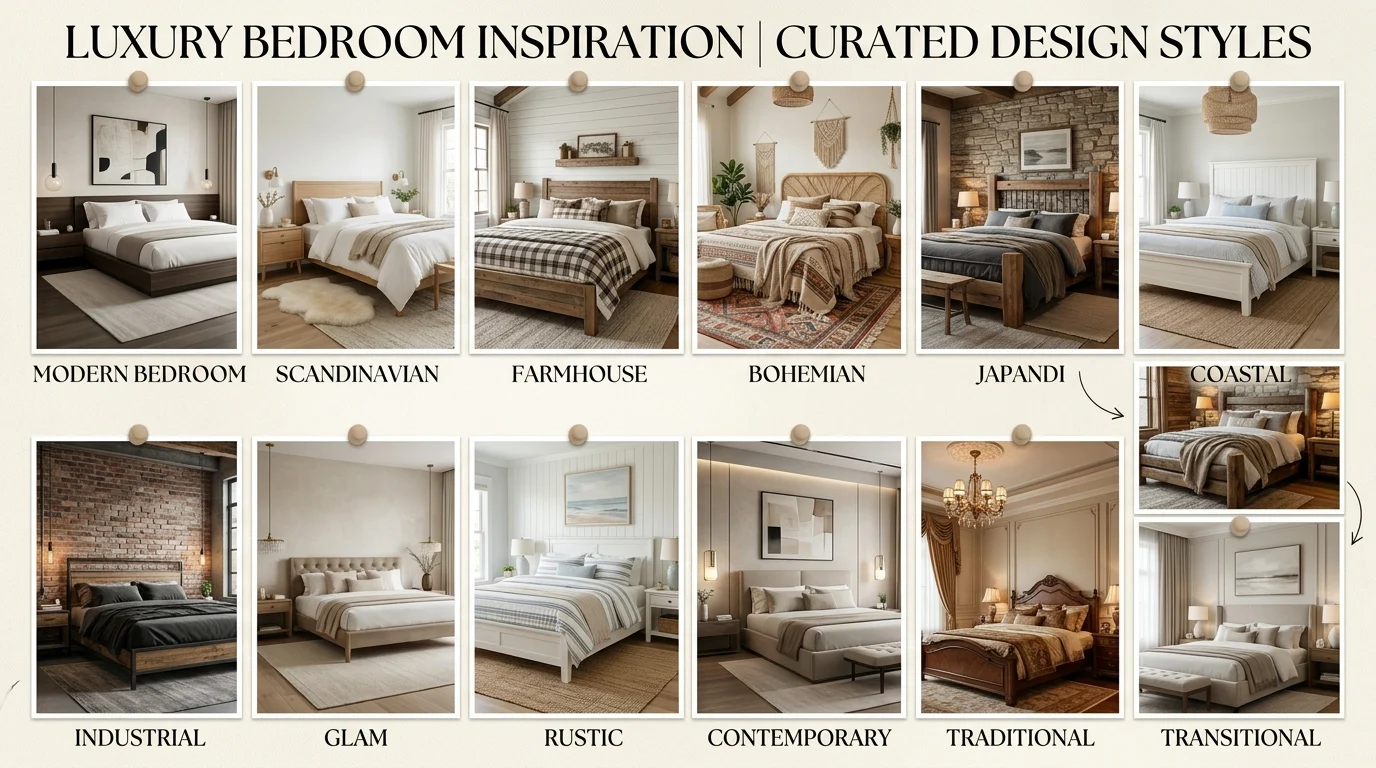
If you’re not sure where to start, these bedroom design styles can help narrow things down and make decorating feel a lot less overwhelming.
1. Modern Bedroom Style
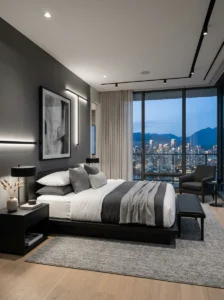
Modern bedroom design is often the first style people think of when they want a clean and polished space. It focuses on simplicity, strong lines, and a clutter-free layout that feels intentional rather than empty. Furniture typically features sleek silhouettes with minimal ornamentation, allowing the overall design to feel calm and organized.
Picture a room with a low platform bed, soft gray bedding, and black accent lighting. Natural light pours through large windows while smooth wood furniture keeps the space feeling warm instead of cold. Every piece serves a purpose, which is one reason modern bedrooms tend to age well.
When I first experimented with modern decor, I was surprised by how relaxing the room felt. Removing unnecessary accessories instantly created more visual breathing room. It wasn’t about owning less. It was about choosing items more carefully.
Neutral colors work particularly well in modern bedrooms. White, charcoal, beige, and natural wood tones create a balanced foundation that can easily evolve over time.
This style suits anyone who prefers order, simplicity, and a room that feels effortlessly put together without requiring constant redecorating.
2. Scandinavian Bedroom Style
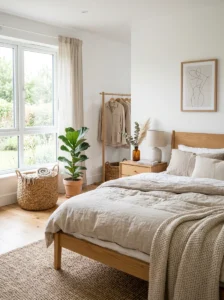
Scandinavian design manages to feel both minimal and cozy at the same time. Originating from Nordic countries, this style emphasizes functionality, comfort, and natural materials while keeping spaces bright and uncluttered.
A typical Scandinavian bedroom might include white walls, light oak furniture, linen bedding, and soft textured throws layered across the bed. Large windows are often left simple to maximize natural light, especially during darker seasons. The result feels fresh yet welcoming.
One thing I appreciate about Scandinavian interiors is how practical they are. Nothing feels overly decorative. Even the beautiful details tend to serve a purpose. A woven basket provides storage. A chunky knit blanket adds warmth. A wooden stool functions as both furniture and decor.
Color palettes remain fairly restrained. Soft whites, pale grays, beige, and muted earth tones dominate the space. Small black accents are sometimes added to create contrast.
For people who love calm environments but still want warmth and personality, Scandinavian bedroom design offers an ideal balance. It feels relaxed, comfortable, and timeless without becoming boring.
3. Minimalist Bedroom Style
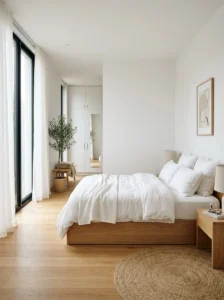
Minimalist bedroom design focuses on removing distractions so the room feels peaceful and intentional. While many people assume minimalism means having very few belongings, it is actually more about thoughtful editing than strict emptiness.
Imagine crisp white bedding, clean-lined furniture, and open floor space that allows the room to breathe. Decorations are limited, but the pieces that remain feel purposeful. A single framed artwork, a ceramic lamp, or a carefully chosen plant often provides enough visual interest.
I learned an important lesson while simplifying my own bedroom. The room didn’t become less comfortable after removing excess decor. It actually became easier to relax because there was less visual clutter competing for attention.
Texture plays a major role in minimalist interiors. Linen bedding, natural wood, soft wool throws, and woven accents keep the room from feeling sterile. These subtle details create warmth without overwhelming the design.
Minimalist bedrooms work especially well for people who feel stressed by clutter or busy environments. The style encourages calm, making it easier to unwind at the end of the day and wake up feeling refreshed.
4. Farmhouse Bedroom Style
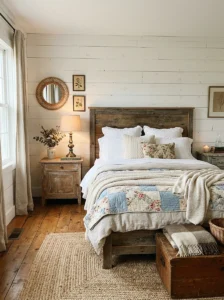
Farmhouse bedrooms combine comfort, character, and a sense of lived-in warmth. This style feels welcoming from the moment you step inside, thanks to its use of natural materials and relaxed design elements.
Wood plays a major role here. Reclaimed wood headboards, rustic beams, vintage-inspired furniture, and weathered finishes help create an inviting atmosphere. Soft cotton bedding, layered quilts, and cozy throw pillows add comfort without feeling overly formal.
What I like most about farmhouse style is that it embraces imperfections. Furniture doesn’t need to look brand new. Slight wear and natural texture often make pieces feel even more authentic.
Neutral colors dominate many farmhouse interiors. Whites, creams, soft grays, and warm wood tones create a soothing backdrop. Black metal accents and vintage lighting fixtures often provide contrast.
Farmhouse bedrooms are ideal for anyone who wants their room to feel relaxed and approachable. The style balances rustic charm with practical comfort, making the space feel like a retreat rather than a showroom.
5. Bohemian Bedroom Style
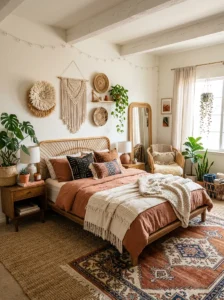
Bohemian bedrooms celebrate creativity, individuality, and a relaxed approach to decorating. Unlike highly structured styles, boho spaces feel collected over time, filled with pieces that reflect personal interests and experiences.
Layering is a huge part of the look. Think textured rugs, patterned pillows, woven wall hangings, and cozy throws casually arranged throughout the room. Plants often play a starring role, adding life and softness to the space.
One reason so many people love bohemian design is that there are very few strict rules. Vintage finds can sit alongside modern furniture. Handmade decor can mix with global-inspired textiles. The result feels personal rather than perfectly coordinated.
Warm earth tones are common, but many boho bedrooms also incorporate rich terracotta, sage green, mustard, and muted blush accents. Natural materials like rattan, jute, and wood help maintain an organic feel.
A bohemian bedroom works beautifully for those who enjoy expressive spaces filled with texture, color, and meaningful details that tell a story.
6. Industrial Bedroom Style
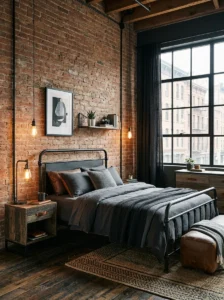
Industrial bedroom design takes inspiration from old warehouses and converted loft spaces. It combines raw materials, practical furniture, and an understated color palette to create a space that feels both modern and full of character.
Exposed brick walls are one of the most recognizable features of this style. If your home doesn’t have brick, textured wall treatments or brick-look wallpaper can create a similar effect. Black metal bed frames, wood furniture with visible grain, and simple lighting fixtures help complete the look.
The first industrial-style bedroom I ever saw in person felt surprisingly cozy despite its rugged appearance. Soft bedding and warm lighting balanced the harder materials, making the space feel inviting rather than cold.
Colors usually stay fairly neutral. Shades of charcoal, black, gray, brown, and weathered wood dominate the palette. Leather accents, metal shelving, and vintage-inspired decor add depth without overwhelming the room.
Industrial bedrooms work especially well in urban homes and apartments, but the style can be adapted almost anywhere. It offers a unique combination of simplicity and personality that feels effortlessly cool without appearing overly designed.
7. Coastal Bedroom Style
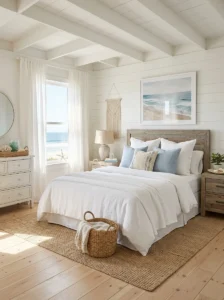
A coastal bedroom captures the relaxed feeling of being near the ocean, even if the nearest beach is hundreds of miles away. The goal isn’t filling the room with seashells. It’s creating a light, airy atmosphere inspired by coastal living.
Picture crisp white bedding layered with soft blue accents, natural woven textures, and sunlight streaming through sheer curtains. The room feels fresh and open. Furniture often features light wood finishes or painted surfaces that contribute to the casual vibe.
One thing I appreciate about coastal interiors is how calming they feel. The colors naturally encourage relaxation, making them perfect for bedrooms where rest is the priority.
Materials like rattan, linen, jute, and driftwood-inspired finishes fit beautifully within this design style. Decorative elements remain simple and understated rather than overly themed.
Soft blues, sandy beige tones, whites, and muted greens create a palette that mirrors nature. Combined with plenty of natural light, these colors help make the room feel larger and more peaceful.
For anyone who loves bright spaces and relaxed surroundings, coastal bedroom design offers a timeless and refreshing approach.
8. Mid-Century Modern Bedroom Style
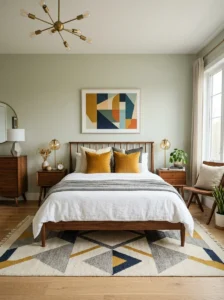
Mid-century modern design continues to remain popular because it balances simplicity with personality. Originally developed during the mid-1900s, the style focuses on clean lines, functional furniture, and subtle retro influences.
A typical mid-century bedroom might feature a walnut wood bed frame with tapered legs, geometric patterns, and streamlined nightstands. Furniture tends to sit slightly elevated from the floor, creating an open and airy appearance.
I always find this style interesting because it manages to feel vintage and modern at the same time. It has character without looking outdated, which explains why so many homeowners continue to embrace it.
Colors can vary depending on personal preference. Some rooms lean toward warm neutrals, while others incorporate olive green, burnt orange, mustard yellow, or deep blue accents. The key is maintaining balance rather than overwhelming the space.
Lighting often becomes part of the design itself. Sculptural lamps, globe pendants, and statement fixtures add visual interest while supporting the overall aesthetic.
Mid-century modern bedrooms are ideal for anyone who appreciates timeless furniture, thoughtful design, and a touch of retro charm.
9. Traditional Bedroom Style
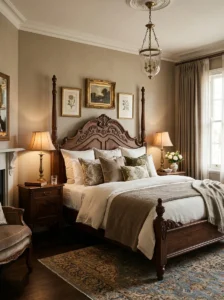
Traditional bedroom design has remained popular for decades because it feels elegant, familiar, and comfortable. This style focuses on symmetry, classic furniture, and details that create a sense of refinement without feeling trendy.
Imagine a beautifully crafted wood bed, matching nightstands, soft upholstered seating, and layered bedding arranged neatly across the room. Decorative moldings, framed artwork, and tasteful accessories contribute to the overall sense of balance.
Growing up, many of the bedrooms I admired in magazines followed traditional design principles. There was something reassuring about their timeless appearance. They felt welcoming and sophisticated without trying too hard.
Color palettes often include warm neutrals, cream tones, soft blues, and muted greens. Rich wood finishes bring warmth while elegant fabrics such as cotton, linen, and velvet add texture.
Traditional bedrooms tend to age gracefully because they aren’t tied to short-lived trends. Instead, they focus on quality furniture and enduring design choices.
If you enjoy classic interiors and appreciate a polished look, traditional bedroom design may be the perfect fit for your home.
10. Japandi Bedroom Style
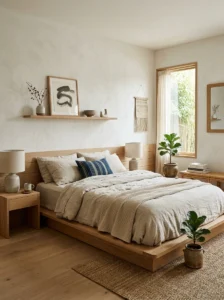
Japandi design combines the simplicity of Japanese interiors with the warmth of Scandinavian style. The result is a bedroom that feels calm, balanced, and incredibly relaxing.
This style embraces minimalism, but it never feels cold. Natural materials, soft textures, and carefully chosen furnishings create warmth throughout the space. A low wooden bed, linen bedding, handcrafted ceramics, and subtle decorative accents are common elements.
The first time I discovered Japandi interiors, I was drawn to how peaceful they felt. Nothing seemed unnecessary. Every object had purpose, which created a strong sense of harmony throughout the room.
Colors remain muted and nature-inspired. Warm beige, soft white, light gray, charcoal, and natural wood tones dominate the palette. Decorative items are limited but meaningful.
Storage solutions are often integrated into the design to maintain clean surfaces and reduce visual clutter. This contributes to the calm atmosphere that defines the style.
Japandi bedrooms are perfect for people who appreciate simplicity, natural beauty, and spaces that encourage relaxation. The design feels modern yet timeless, making it easy to enjoy for years without major changes.
11. Contemporary Bedroom Style
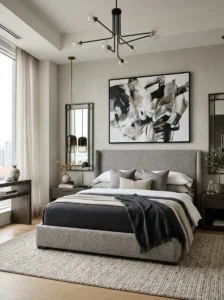
Contemporary bedroom design is often confused with modern style, but the two are actually different. Modern design refers to a specific design period, while contemporary style reflects what feels current right now. Because trends evolve, contemporary interiors can change over time while still maintaining a clean and sophisticated look.
A contemporary bedroom usually features simple furniture, open space, and a balanced mix of textures. You might see an upholstered bed, large-scale artwork, statement lighting, and carefully selected decor pieces that create visual interest without overwhelming the room.
One thing I like about contemporary design is its flexibility. It doesn’t lock you into one specific aesthetic. You can blend modern furniture with natural textures or add subtle traditional elements while still maintaining a fresh appearance.
Neutral colors remain popular, but contemporary bedrooms often include darker accent tones such as charcoal, black, navy, or deep green. These shades help create contrast and depth.
The overall atmosphere feels polished, comfortable, and current. If you enjoy staying inspired by evolving design trends while avoiding overly themed interiors, contemporary bedroom design offers a balanced and adaptable approach.
12. Rustic Bedroom Style
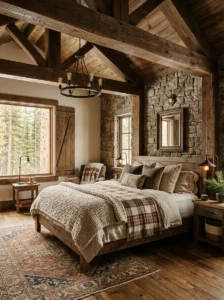
Rustic bedroom design celebrates natural beauty and a connection to the outdoors. Unlike more refined styles, rustic interiors embrace texture, imperfections, and materials that feel authentic and grounded.
Wood is the star of the show. Exposed beams, reclaimed wood headboards, handcrafted furniture, and weathered finishes all contribute to the cozy atmosphere. Layered textiles such as wool blankets, plaid throws, and chunky knit accents make the room feel warm and inviting.
I stayed in a mountain cabin a few years ago that perfectly captured this style. The furniture wasn’t polished or perfect, yet the room felt incredibly comfortable. There was a sense of warmth that modern spaces sometimes struggle to achieve.
Color palettes typically draw inspiration from nature. Warm browns, earthy greens, stone grays, cream tones, and muted rust colors work beautifully together. Natural materials like leather, linen, and woven baskets add even more texture.
Rustic bedrooms are ideal for anyone who wants their room to feel relaxed, welcoming, and connected to natural surroundings. The style creates comfort through simplicity rather than perfection.
13. Glam Bedroom Style
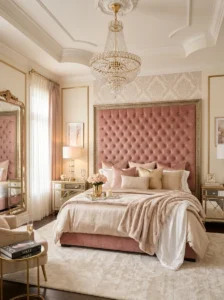
Glam bedroom design brings elegance, luxury, and a touch of drama into the space. While it may sound extravagant, a well-designed glam bedroom can feel sophisticated rather than overwhelming.
Picture a tufted upholstered headboard, mirrored furniture, soft velvet pillows, and warm metallic accents catching the light. Layers of texture create richness while crystal-inspired lighting fixtures add sparkle throughout the room.
What surprised me most about glam interiors is that they don’t have to feel formal. When balanced properly, they can still feel comfortable and inviting while offering a more elevated appearance.
Color palettes often include white, cream, blush, gray, and champagne tones. Gold and silver accents are frequently used to enhance the luxurious atmosphere. Plush fabrics such as velvet and faux fur add softness and visual depth.
The secret is moderation. A few statement pieces usually create more impact than filling the room with decorative accessories.
For homeowners who love elegant spaces that feel polished and stylish, glam bedroom design offers a beautiful blend of comfort and sophistication.
14. Transitional Bedroom Style
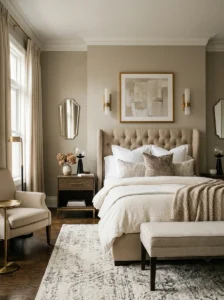
Transitional bedroom design sits comfortably between traditional and contemporary styles. It combines classic elements with modern simplicity, creating a look that feels balanced, timeless, and easy to live with.
A transitional bedroom might feature a classic upholstered bed paired with streamlined nightstands and modern lighting. Traditional architectural details can coexist with cleaner furniture lines, creating a layered yet uncluttered appearance.
This style appeals to many people because it doesn’t feel extreme in either direction. You’re not committing fully to traditional decor, nor are you embracing strict minimalism. Instead, you get a blend of both worlds.
Color palettes typically remain neutral. Soft beige, warm white, gray, taupe, and muted accent colors create a calm foundation. Textures become important because they add interest without relying heavily on bold patterns.
One of the biggest strengths of transitional design is its longevity. The room feels current without chasing trends, which means it often stays attractive for years with only minor updates.
If you’re unsure which direction to take with your bedroom, transitional design is often a safe and stylish choice that offers flexibility and timeless appeal.