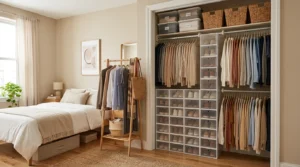
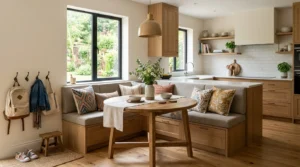
Some rooms look beautiful for a moment. The ones people remember — and the ones that get saved, pinned, and recreated — have something more: personality. They feel collected rather than decorated, personal rather than staged, and every detail seems to reflect the person living there.
Creating an aesthetic room is not about chasing every trend or spending the most money. It comes down to a few repeatable design principles: cohesion, texture, layered lighting, and meaningful detail. This guide breaks 17 aesthetic room ideas into specific, actionable advice — what to choose, where to place it, which materials work best, and what each upgrade typically costs.
1. Build a Collected Gallery Wall

A gallery wall is the fastest way to give a blank wall personality because it instantly fills visual space with things that mean something. Travel photographs, art prints, vintage postcards, sketches, and even framed fabric samples work beautifully together when they share a loose color story.
What makes a gallery wall feel aesthetic is not perfection — the best ones look collected over time. Limit frames to two or three finishes (matte black, natural oak, and white) so the mix feels intentional. Plan the layout on the floor first, then tape paper templates to the wall before hammering a single nail.
Leave 2 to 3 inches between frames so each piece has breathing room, and center the entire arrangement at roughly 57 inches from the floor — the gallery standard for eye level. Crowding pieces edge-to-edge feels overwhelming instead of curated.
2. Layer Textures for Depth

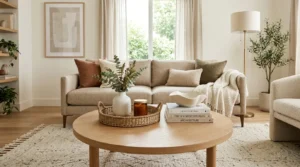
Texture is what separates a room that looks flat from one that feels warm and inviting. Even when the color palette stays neutral, layering materials makes the space feel richer. Picture a soft linen duvet paired with a chunky knit throw, a boucle accent chair nearby, a woven basket beside the bed, and a natural jute rug underfoot.
Aim for at least three to four contrasting textures in every room. Natural fabrics do the heavy lifting in aesthetic spaces: linen, cotton, wool, rattan, and solid wood all contribute warmth without creating clutter. If everything feels the same to the touch, add contrast — a nubby wool throw on a smooth chair, or a rough jute rug under a soft upholstered bed.
The trick is not adding more decor. It is choosing pieces that feel different to the eye and hand. Layered textures make a room feel collected and comfortable, which is why texture-heavy rooms photograph so well.
3. Design Warm Ambient Lighting

Lighting changes everything. A room with beautiful furniture can still feel cold under a single harsh overhead fixture, which is why the most aesthetic spaces rely on layered light sources. The formula is simple: combine a table lamp, a floor lamp, and one accent light so the room has at least three points of warm light.
Choose bulbs at 2700K — the warm white temperature that flatters skin tones and makes textiles glow. Fabric lampshades and frosted glass fixtures diffuse light and soften shadows, while bare bulbs create glare that kills the mood. Put the main lamps on dimmers or smart plugs so brightness can drop in the evening.
Position one lamp near the bed or sofa, one in a dark corner to eliminate dead zones, and one accent light to highlight texture. For more on layering light in sleeping spaces, see these bedroom lighting ideas. Good lighting creates mood rather than mere brightness.
4. Style Books as Decor

Books are one of the easiest ways to add personality to a room because they reflect genuine interests. A shelf of favorite novels, design books, travel guides, or vintage finds tells a story without saying a word — and unlike purely decorative objects, books are both useful and meaningful.
Coffee table books work especially well as styling tools because they add height, texture, and color. Stack two or three horizontally and top the stack with a candle or small ceramic object. On shelves, mix vertical rows with horizontal stacks, and leave roughly 20 percent of each shelf empty so the display breathes.
Organize by color for a calm, curated look, or by subject for a personal library feel. Books make a space feel lived in rather than staged, which is often the secret behind truly aesthetic interiors.
5. Carve Out a Reading Corner

A reading corner adds character because it is built around how the room is actually used. Instead of decorating purely for appearance, you create a small zone designed for comfort — and purposeful spaces always feel more personal than purely decorative ones.
The recipe needs only four elements: a comfortable chair with a seat height around 17 to 18 inches, a side table within arm’s reach, a warm lamp positioned so light falls over the shoulder, and one soft textile like a throw blanket. An unused corner near a window is ideal.
Keep the styling simple: a small plant, a stack of two or three books, or one framed print is enough. The goal is a spot that gets used daily, because rooms shaped by real life always feel more aesthetic than rooms styled only for photos.
6. Mix Vintage and Modern Pieces

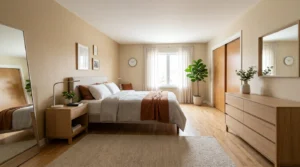
Nothing kills personality faster than the “everything came from the same store” look. Mixing vintage finds with modern furniture creates character because the room feels collected over time rather than purchased all at once. A vintage wooden dresser beside a modern upholstered bed adds contrast that new furniture alone rarely achieves.
The key is proportion: roughly 80 percent current, functional pieces and 20 percent vintage or antique accents. A few vintage pieces stand out beautifully; a room full of them can feel like a flea market. Let each vintage item have visual space around it so it reads as intentional.
Materials that bridge old and new include natural wood, aged brass, worn leather, and handmade ceramics. For a calmer take on mixing old and new, these minimalist bedroom ideas show how restraint keeps vintage accents from overwhelming a space.
7. Fill Empty Corners With Plants

Plants make rooms feel alive. They soften hard edges, add natural color, and create movement that static decor cannot replicate. A tall plant in a woven basket — an olive tree, fiddle-leaf fig, or bird of paradise at 4 to 6 feet — can transform an empty corner instantly.
For low-maintenance options that tolerate average indoor light, start with pothos, snake plants, ZZ plants, or philodendrons. A trailing pothos spilling over a floating shelf adds a relaxed, organic line that no manufactured object can imitate.
Containers matter as much as the plants. Terracotta pots, glazed ceramic planters, and woven baskets each contribute texture — avoid leaving plants in thin plastic nursery pots. Group plants in odd numbers at varying heights for the most natural arrangement.
8. Hang One Statement Artwork

A single large artwork can change a room’s entire mood. It provides a focal point, anchors the furniture beneath it, and often becomes the first thing people notice when they enter. The only real requirement is choosing something genuinely enjoyable to look at every day.
Scale is where most people go wrong. Artwork above a bed, sofa, or console should span roughly two-thirds to three-quarters of the furniture’s width. A 24-by-36-inch print is a safe minimum over a queen bed. Hang the center at 57 inches from the floor, or 6 to 8 inches above the furniture it anchors.
Let the room’s palette guide the choice: neutral rooms can handle bold artwork, while colorful rooms usually look best with something more restrained. One confident piece beats a hesitant cluster of tiny frames every time.
9. Style Open Shelving

Open shelving turns everyday belongings into decor. Books, candles, ceramics, framed photos, and travel souvenirs become part of the room’s design instead of hiding in cupboards.
The secret is restraint. Shelves look most stylish when they are only about 60 to 70 percent full. Leave breathing room between objects, and vary heights and materials for rhythm — a horizontal stack of books beside a small plant, followed by a ceramic vase and a framed photograph.
Style in odd-numbered groupings, step back frequently to check balance, and be willing to remove pieces — every styling session should end with taking at least one thing away.
10. Experiment With Bedding Color

The bed is usually the visual centerpiece of a bedroom, so changing the bedding is the highest-impact, lowest-effort refresh available. Muted olive green, terracotta, dusty rose, mustard, or deep blue instantly give a room more character than standard white.
Layering tones works better than committing to a single flat color. Pair warm neutral sheets with a colored duvet cover, then add a textured throw and accent cushions in a complementary shade. Natural fabrics like washed linen keep the look relaxed.
If full-color bedding feels like a leap, start with the throw and cushions — a $40 to $60 investment that previews the palette before committing to a $90 to $150 duvet set.
11. Add String Lights With Restraint

String lights remain popular because they create atmosphere almost instantly — a gentle glow that makes a room feel cozy for under $15. Draped above a headboard, woven through shelving, or wrapped around a mirror, they provide soft evening illumination.
Restraint is what separates aesthetic from dorm room. Choose warm white (2700K) micro-LED fairy lights with small bulbs. One strand used deliberately looks refined; five strands crisscrossing the ceiling looks chaotic. Battery-operated strands with timers (typically $10 to $18) avoid visible cords.
Pair string lights with layered bedding, plants, and neutral decor for the classic cozy-aesthetic look. Used sparingly, they are the perfect example of a small detail with large impact.
12. Create a Music or Hobby Corner

A dedicated corner for music, art, or any real hobby instantly adds character because it reflects genuine interests. A record player setup is the classic example: a simple wooden console, a small stack of vinyl, and a warm table lamp create a vignette that feels intentional in under 3 square feet.
Anchor the area with one piece of artwork above the console and a single small plant — then stop. The equipment itself is the decor, so extra styling becomes clutter. Keep cables managed with a simple cord cover ($8 to $12).
The principle applies to any passion: a compact easel for painting, a reading chair with a book stack, a small instrument on a stand. Aesthetic interiors feel best when they reveal something about the person living there.
13. Mix Patterns With Confidence

Patterns bring energy into a room when they are used thoughtfully. They create the layered, collected look that defines personality-filled interiors — but the difference between “curated” and “chaotic” comes down to a simple system.
Start with one large-scale pattern (a rug or duvet cover), add a medium-scale pattern (curtains or an accent chair), then finish with small-scale patterns (throw pillows, artwork). Keep all patterns within a shared palette of three to four hues so everything feels connected.
Texture bridges patterns too: linen and woven fabrics calm busy prints. Slight variation reads as relaxed and authentic, which is precisely the aesthetic goal.
14. Invest in One Unique Furniture Piece

Interesting furniture is often the detail people remember most. A curved boucle chair, sculptural side table, vintage cabinet, or handmade bench can give an entire room its identity — and you only need one.
Surround the piece with simpler decor so it can star: neutral walls, quiet textiles, and restrained accessories. Function still matters — the most successful statement pieces are beautiful and useful at the same time.
Budget $150 to $500 for a quality vintage or artisan piece from secondhand shops or local markets. One unexpected, well-chosen item gives a room more personality than an entire catalog of matching furniture.
15. Display Meaningful Collections

Collections make rooms feel personal because they reflect real interests — vintage cameras, pottery, travel souvenirs, or favorite books tell stories that generic decor cannot. The difference between a meaningful display and clutter is entirely in the presentation.
Group similar items together rather than scattering them; a tight cluster of five cameras on one shelf reads as curated, while the same five spread across the room read as mess. Give each piece 2 to 3 inches of breathing room.
Three to seven carefully chosen pieces on a dedicated shelf or tray create a conversation starter that no mass-produced accessory can match.
16. Add a Cozy Window Seat

A window seat creates a place to relax, enjoy natural light, and put otherwise wasted space to work. Place a low bench or wide storage cube (around 16 to 18 inches high) beneath a window, then layer it like a bed.
Start with a 3-to-4-inch cushion cut to fit, add linen cushions in two sizes, and finish with a knit throw. A small side table nearby creates a practical spot for books or a candle.
Keep the window treatment simple so daylight does the work: sheer linen curtains ($25 to $50 per panel) filter light beautifully without blocking it.
17. Personalize With Handmade Decor

Handmade decor carries a warmth that mass-produced pieces struggle to replicate. A hand-thrown ceramic vase, woven wall hanging, or carved wooden bowl instantly makes a room feel personal — and slight imperfections are exactly what make these pieces appealing.
A few carefully chosen pieces outperform dozens of generic accessories. Pair handmade items with natural materials like wood, linen, and rattan for a relaxed atmosphere that feels comfortable rather than overly polished.
Source from local markets and independent makers — most pieces cost $15 to $60 and come with a story. The most beautiful aesthetic rooms rarely feel perfect; they feel personal.
Aesthetic Room Ideas by Budget: Three Price Plans
Under $100 — the refresh: warm-white fairy lights ($12), three thrifted frames with printed art ($15), two plants in terracotta pots ($25), a knit throw ($20), and a candle ($12). Total: roughly $85.
$100 to $400 — the makeover: a colored linen duvet set ($90–$140), a 5-by-7-foot jute rug ($80–$150), one warm table lamp ($35–$60), a large art print ($30–$60), and floating wood shelves ($25–$40 each). Total: roughly $300.
$400 and up — the investment: one unique vintage furniture piece ($150–$500), a quality wool rug ($200–$400), and custom framing for favorite prints ($120–$200). Spend on items touched daily; save on purely visual decor.
Common Mistakes That Ruin the Aesthetic
Buying everything from one store. Matching sets look coordinated but lifeless. Mix at least two or three sources so the room feels collected.
Confusing “personal” with “cluttered.” If a shelf looks busy, remove pieces until it feels calm — usually that means cutting a third of what is there.
Ignoring lighting. A single overhead fixture flattens every texture and color. Three warm light sources at 2700K is the minimum for an aesthetic glow.
Skipping a color palette. Choose three to four hues and repeat them across textiles, art, and decor. Random colors read as chaos, not character.
Hanging art too high or too small. Center pieces at 57 inches and size art to two-thirds of the furniture below it — undersized art is the most common wall-decor mistake.
Frequently Asked Questions
What exactly is an aesthetic room?
An aesthetic room is a space designed around a cohesive visual mood — often warm, personal, and texture-rich. The defining traits are a consistent color palette, layered lighting, mixed textures, and personal details like art, books, plants, and collections.
How can I make my room aesthetic on a tight budget?
Start with high-impact cheap wins: warm lighting (fairy lights and 2700K bulbs, under $20), thrifted frames with printable art ($15–$30), two or three plants ($20–$30), and a textured throw ($20). Rearranging furniture and decluttering cost nothing.
What colors work best for aesthetic rooms?
Warm neutrals — cream, beige, oatmeal, soft white — form the most forgiving base. Add one or two muted accents like terracotta, olive, dusty rose, or sage. Avoid more than four distinct hues in one room.
How do I mix patterns without it looking messy?
Use the scale rule: one large pattern, one medium, one small — all sharing three to four common colors. When in doubt, remove one pattern; restraint reads as confidence.
How do I keep an aesthetic room from looking cluttered?
Keep shelves and surfaces about 70 percent full at most. Group small items on trays, give every collection a defined boundary, and do a quick five-minute reset each evening.
Final Thoughts
The most memorable rooms are never the most expensive or the most trend-perfect — they are the ones that feel unmistakably lived in. Start with one or two ideas from this guide, apply them with the specific measurements and budgets above, and let the room evolve. Character cannot be bought all at once; it is collected, one meaningful detail at a time.