Small rooms can feel frustrating fast when everything starts looking crowded or unfinished. But honestly, the biggest changes usually come from small details instead of expensive renovations.
I’ve redecorated tiny bedrooms and awkward corners before, and the rooms always looked better once the layout, lighting, and textures started working together.
These small room makeover ideas are cozy, realistic, and easy enough to actually try without completely redoing your entire space.
1. Use Light Neutral Paint to Open the Room
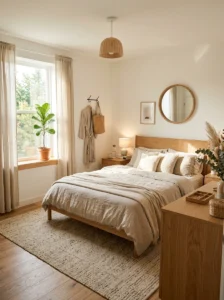
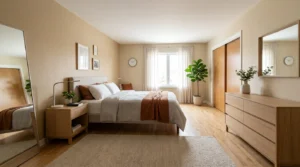
Wall color changes the entire mood of a small room faster than almost anything else. Soft neutrals like warm white, pale beige, light greige, or muted cream help bounce natural light around instead of absorbing it. That immediately makes cramped spaces feel softer and more open. I once painted a tiny dark bedroom warm white, and honestly it felt twice as big afterward.
The key is keeping the tones warm instead of bright icy white. Warm shades make the room feel calm and lived in instead of cold. Pair the lighter walls with natural wood furniture, soft linen bedding, and woven textures to keep everything balanced.
A large mirror near the window helps reflect sunlight during the day too. And simple curtains in soft neutral fabrics make the space feel taller without overwhelming it visually.
Try not to overcrowd the walls with decor afterward. Small rooms usually feel more relaxing when there’s some empty space left around furniture and artwork naturally.
2. Add Floor-to-Ceiling Curtains for Height
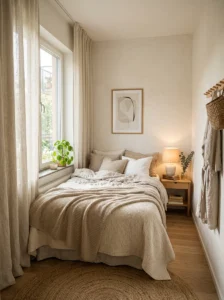
One trick that always makes a room look taller is hanging curtains much higher than the actual window frame. It sounds simple, but visually it stretches the walls upward and gives small rooms a softer, more open feeling. Lightweight linen curtains in cream, oatmeal, or soft grey work especially well because they let natural light filter through gently.
I tried this in a narrow guest room once and couldn’t believe how much bigger the space felt after. Even the ceiling suddenly looked higher. Letting the curtains lightly touch the floor also helps create that relaxed Pinterest-style look people save constantly.
Pair them with minimal furniture and lighter bedding so the room doesn’t feel visually heavy. Warm wood nightstands, textured throw blankets, and a soft area rug underneath the bed help balance everything naturally.
And honestly, curtains make small rooms feel more finished emotionally too. The space starts looking intentional instead of temporary, which matters more than people realize.
3. Replace Bulky Furniture with Slim Pieces
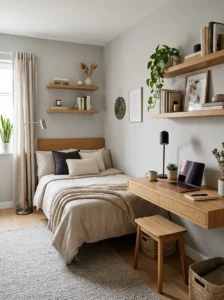
Heavy furniture can make small rooms feel crowded really fast. Swapping oversized pieces for slimmer designs instantly creates more breathing room without needing a full makeover. Thin-leg nightstands, floating shelves, compact desks, or low-profile beds visually take up less space even when the room size stays exactly the same.
One thing I noticed while redoing a tiny apartment bedroom was how much floor visibility mattered. Once bulky furniture disappeared, the whole room suddenly felt calmer. Weirdly enough, even walking around became easier.
Stick with furniture in light oak, matte black, or soft neutral finishes so the space stays cohesive visually. And avoid too many large storage pieces if possible. Vertical shelving usually works better in smaller rooms because it uses wall space instead of valuable floor space.
Leave a little empty room around furniture too. Not every corner needs to be filled. Small spaces almost always look better when the layout feels open and breathable instead of packed with decor.
4. Create a Cozy Reading Corner in One Small Spot
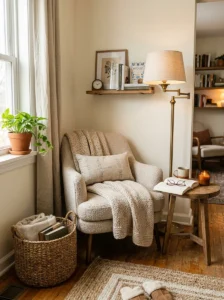
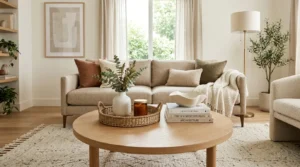
Even tiny rooms feel more inviting when there’s one cozy corner meant purely for relaxing. It doesn’t need much space either. A soft accent chair, warm throw blanket, tiny side table, and floor lamp already create a comfortable reading setup in an unused corner.
I once squeezed a little reading chair beside a bedroom window, and honestly it became my favorite part of the room immediately. Small spaces feel more personal once they include areas that actually support everyday habits instead of just looking decorative.
Soft lighting matters a lot here. Warm lamps create a calmer atmosphere at night than overhead lights ever do. Add a textured pillow, a candle warmer, or a small stack of books nearby so the setup feels lived in naturally.
Neutral colors work especially well for cozy corners because they help the room stay visually relaxed. Beige, soft brown, warm white, and muted olive tones blend beautifully without overwhelming smaller layouts.
5. Use Mirrors to Reflect More Natural Light
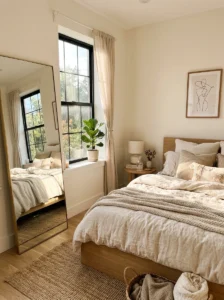
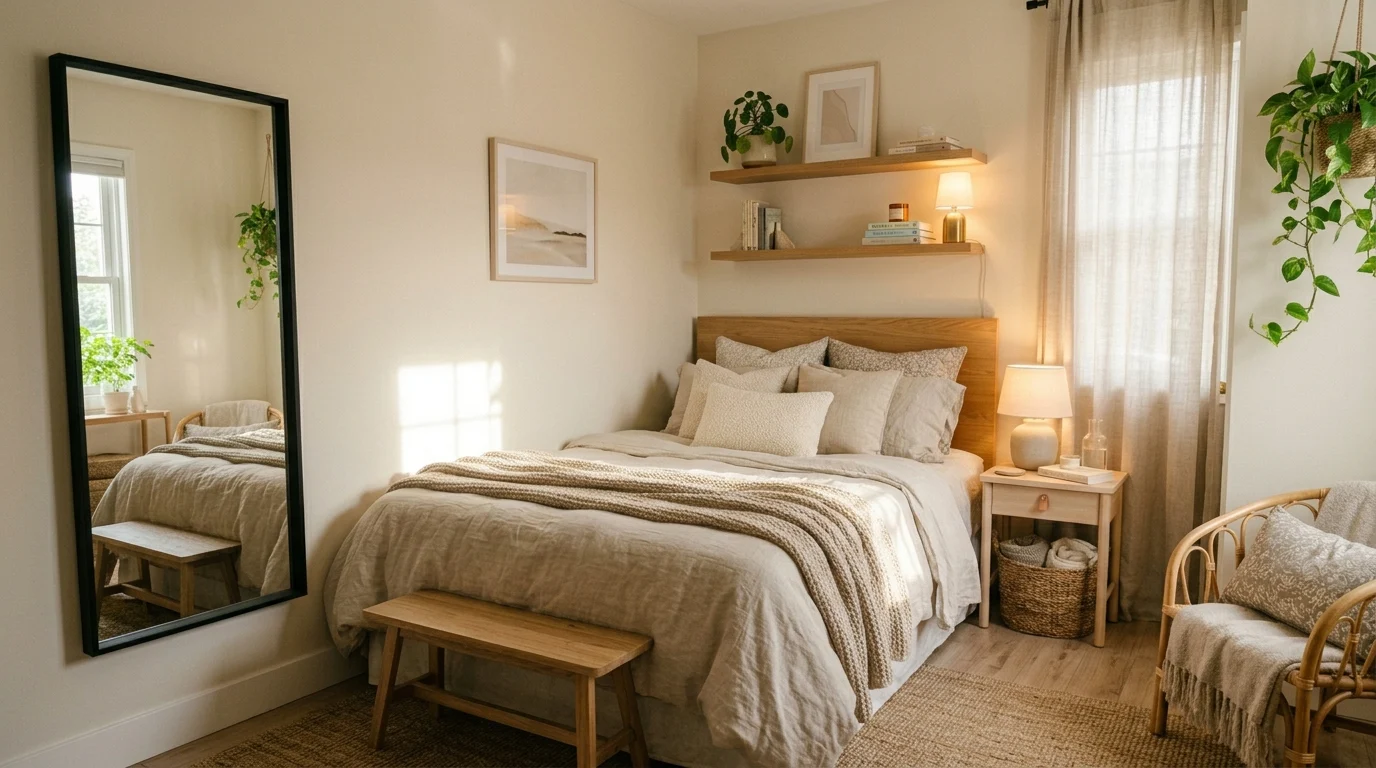
Mirrors help small rooms feel larger because they bounce both light and depth around the space. Positioning a large mirror near a window works especially well during the daytime when sunlight reflects naturally across the walls. Even narrow rooms start feeling brighter afterward.
I learned this while decorating a tiny rental bedroom that barely got enough light. Adding one oversized mirror completely changed the atmosphere. Suddenly the room felt more open instead of boxed in.
Simple mirror frames usually work best in smaller spaces. Thin black metal, natural wood, or frameless designs keep the look modern without becoming visually heavy. And leaning a mirror casually against the wall often feels softer than mounting it perfectly straight.
Keep the area reflected in the mirror relatively uncluttered too. Mirrors double visual information, so reflecting calm spaces helps the room feel cleaner overall. Pair the setup with textured bedding, warm curtains, and soft lighting for an even cozier effect.
6. Add Floating Shelves Instead of Extra Furniture
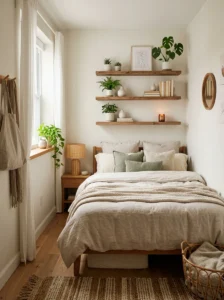
Floating shelves save space while still giving small rooms storage and personality. Instead of adding bulky cabinets or bookcases, wall-mounted shelves keep the floor more open visually. That makes a huge difference in tighter rooms where every inch matters.
One thing I personally like about floating shelves is how flexible they are. You can style them with books, framed photos, candles, or small plants without overcrowding the room. And because they sit higher on the wall, the room naturally feels taller afterward.
Stick with wood tones or simple matte finishes so the shelves blend into the decor instead of dominating it. Warm oak shelves against soft white walls always look calm and modern together.
Try not to overfill them though. A few meaningful pieces usually look better than shelves packed completely full. Small rooms feel more peaceful when decor has a little breathing room around it naturally.
7. Layer Soft Textures for a Cozy Look
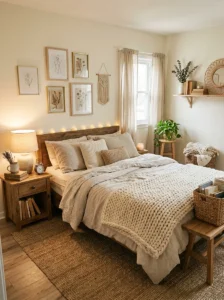
Texture matters even more than color in small room makeovers. Layering different fabrics and finishes helps the room feel warm and cozy without needing too much decoration. Soft linen bedding, woven baskets, boucle pillows, knitted throws, and textured rugs all add depth quietly.
I remember redecorating a plain apartment room that still looked unfinished even after buying furniture. The moment textured fabrics came in, the whole room finally felt comfortable instead of empty. Sometimes softness changes the atmosphere more than decor itself.
Neutral tones help the layers feel balanced too. Cream, oatmeal, warm taupe, and muted brown textures work beautifully together without making the room feel visually crowded.
And don’t worry about everything matching perfectly. Slight variation makes the room feel more natural and lived in. Cozy rooms usually look collected slowly instead of designed all at once from a catalog.
8. Use Warm Lighting Instead of Harsh Ceiling Lights
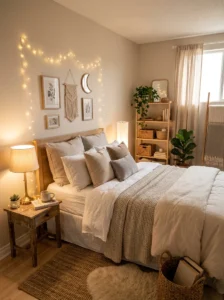
Lighting completely changes how a small room feels at night. Harsh overhead lights often make spaces look flatter and colder than they actually are. Switching to warm table lamps, wall sconces, or string lights creates a softer atmosphere almost immediately.
I stopped using overhead lighting in my bedroom years ago honestly. Warm lamps always make small spaces feel calmer and more comfortable, especially during evenings. The room somehow feels more expensive afterward too.
Layering different light sources works best. Maybe one lamp beside the bed, a small desk light, and soft string lights near shelves or curtains. That layered glow creates depth instead of blasting the whole room evenly.
Warm bulbs around 2700K usually feel the coziest. Pair the lighting with neutral bedding, textured decor, and warm wood furniture so everything blends together naturally. Small rooms start feeling much more relaxing once the lighting softens.
9. Make the Bed the Main Focus
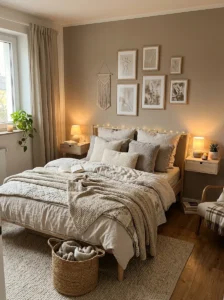
In most small bedrooms, the bed naturally becomes the center of attention anyway. So instead of fighting that, lean into it and make the bed feel intentionally styled. Layer soft bedding, oversized pillows, textured blankets, and one cozy throw near the foot of the bed.
I’ve noticed rooms instantly feel more put together once the bed looks inviting. Even if the rest of the room stays simple, a cozy bed changes everything visually. Neutral bedding usually works best because it keeps smaller rooms feeling calmer overall.
Add warm wall sconces or hanging pendant lights beside the bed instead of bulky lamps if space is tight. Floating nightstands also help open up more floor space around the bed.
One large artwork piece above the headboard often looks cleaner than lots of tiny frames too. Simpler styling usually helps small rooms feel bigger and less cluttered naturally.
10. Add Hidden Storage Wherever Possible
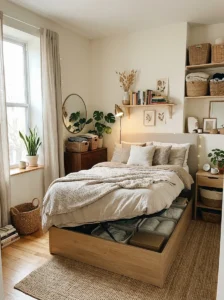
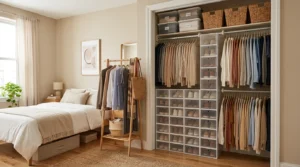
Small rooms almost always feel better once clutter disappears. Hidden storage helps keep daily items nearby without making the space look messy constantly. Beds with storage drawers underneath, storage ottomans, or benches with hidden compartments work surprisingly well.
I learned pretty quickly that visible clutter made tiny rooms feel stressful. Once everything had a place, the room finally felt calmer mentally too. Even small storage fixes make a huge difference.
Use baskets, fabric bins, or matching organizers so storage still blends into the room visually. Neutral containers usually help spaces feel more cohesive instead of chaotic. And vertical storage helps maximize smaller layouts without taking up extra floor space.
The goal isn’t making the room perfectly minimal. It’s just giving everyday items somewhere to disappear when they’re not being used. Small rooms feel more comfortable once surfaces stay relatively clear and open naturally.
11. Try a Monochrome Color Palette
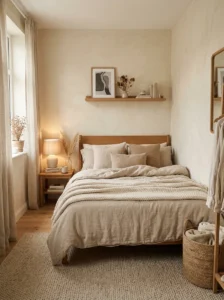
Using too many colors in a small room can sometimes make the space feel busier than it really is. A monochrome palette keeps everything visually connected and calmer overall. Soft beige layers, warm grey tones, or creamy white shades usually work beautifully for this.
I personally love monochrome rooms because they photograph so well without trying too hard. Different textures become more noticeable once the colors stay softer and more consistent. Linen curtains, boucle pillows, wood finishes, and woven rugs all stand out naturally afterward.
Adding one darker accent color keeps the room from feeling flat though. Matte black frames, dark brown pillows, or charcoal lamps add enough contrast without overwhelming the space.
And honestly, monochrome rooms usually feel easier to maintain visually too. Even when life gets messy sometimes, the room still feels more cohesive because the palette stays balanced naturally.
12. Hang Artwork Higher on the Walls
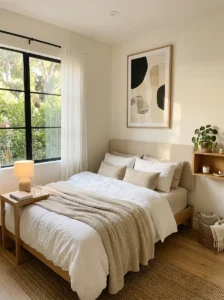
Artwork placement affects how tall a room feels more than people realize. Hanging frames slightly higher naturally draws the eye upward, which helps small spaces feel taller and more open visually. Large vertical artwork pieces work especially well in narrow rooms.
I noticed this while rearranging art in a tiny hallway bedroom once. The room instantly looked less cramped after moving everything upward slightly. Strange how little adjustments matter sometimes.
Stick with lighter frames or minimal black frames so the artwork doesn’t overpower the walls. Soft landscapes, abstract neutral art, or black-and-white photography usually fit smaller rooms best because they don’t add too much visual noise.
Leave a little empty wall space around the artwork too. Small rooms breathe better when every inch isn’t filled with decoration constantly. Simpler layouts often create the biggest impact visually.
13. Bring in Natural Wood Accents
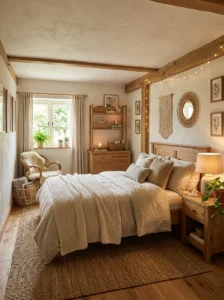
Natural wood tones make small rooms feel warmer immediately. Even tiny wood details like floating shelves, bedside tables, picture frames, or woven chairs soften modern spaces beautifully. Light oak and medium walnut finishes usually work best because they add warmth without darkening the room too much.
I once swapped cold black furniture for warm oak pieces in a tiny apartment bedroom, and honestly the whole room suddenly felt calmer afterward. Wood textures add comfort in a really subtle way.
Pair them with soft white walls, neutral bedding, and warm lighting for a balanced look. And mixing wood with soft fabrics keeps the room from feeling overly modern or stiff.
Try not to overload the space with heavy rustic furniture though. A few warm wood accents usually create enough contrast while still keeping the room airy and relaxed overall.
14. Use Multi-Functional Furniture in Tight Spaces
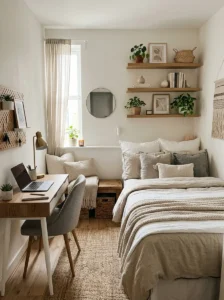
Furniture that serves more than one purpose works perfectly in small rooms. Storage benches, foldable desks, ottomans with hidden compartments, or daybeds help maximize the layout without making the room feel crowded.
I used a small storage bench beside my bed once in a tiny rental room, and it honestly replaced three separate furniture pieces at once. Small-space decorating gets easier once everything has multiple functions naturally.
Choose furniture with clean lines and lighter finishes so the room still feels open visually. And avoid oversized pieces that dominate the floor space too heavily. Compact furniture often looks more intentional anyway.
One thing that helps a lot is leaving enough walking space around everything. Small rooms feel more relaxing when movement feels easy instead of cramped. Multi-functional pieces help create that openness while still keeping the room practical for everyday life.
15. Keep Decor Minimal but Personal
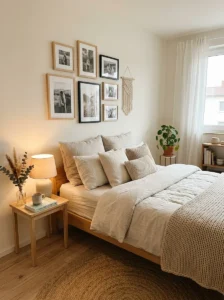
Small room makeovers work best when the decor feels meaningful instead of overcrowded. You don’t need dozens of trendy pieces for the room to feel stylish. A few framed photos, soft candles, cozy bedding, and personal objects usually create a stronger atmosphere anyway.
I’ve definitely overdecorated tiny rooms before, and honestly it just made the space feel stressful afterward. Once I removed extra clutter, everything finally looked calmer and more intentional.
Choose decor pieces that actually make the room feel comfortable. Maybe it’s a favorite blanket, warm lamp, vintage frame, or stack of books beside the bed. Personal details matter more than buying trendy decor constantly.
And leave some empty space too. Modern cozy rooms usually feel better when the eye has room to rest naturally instead of jumping between decorations everywhere.