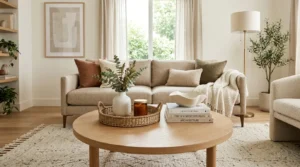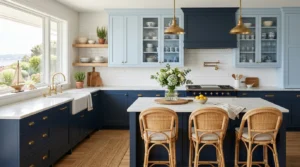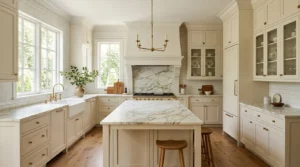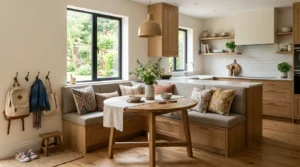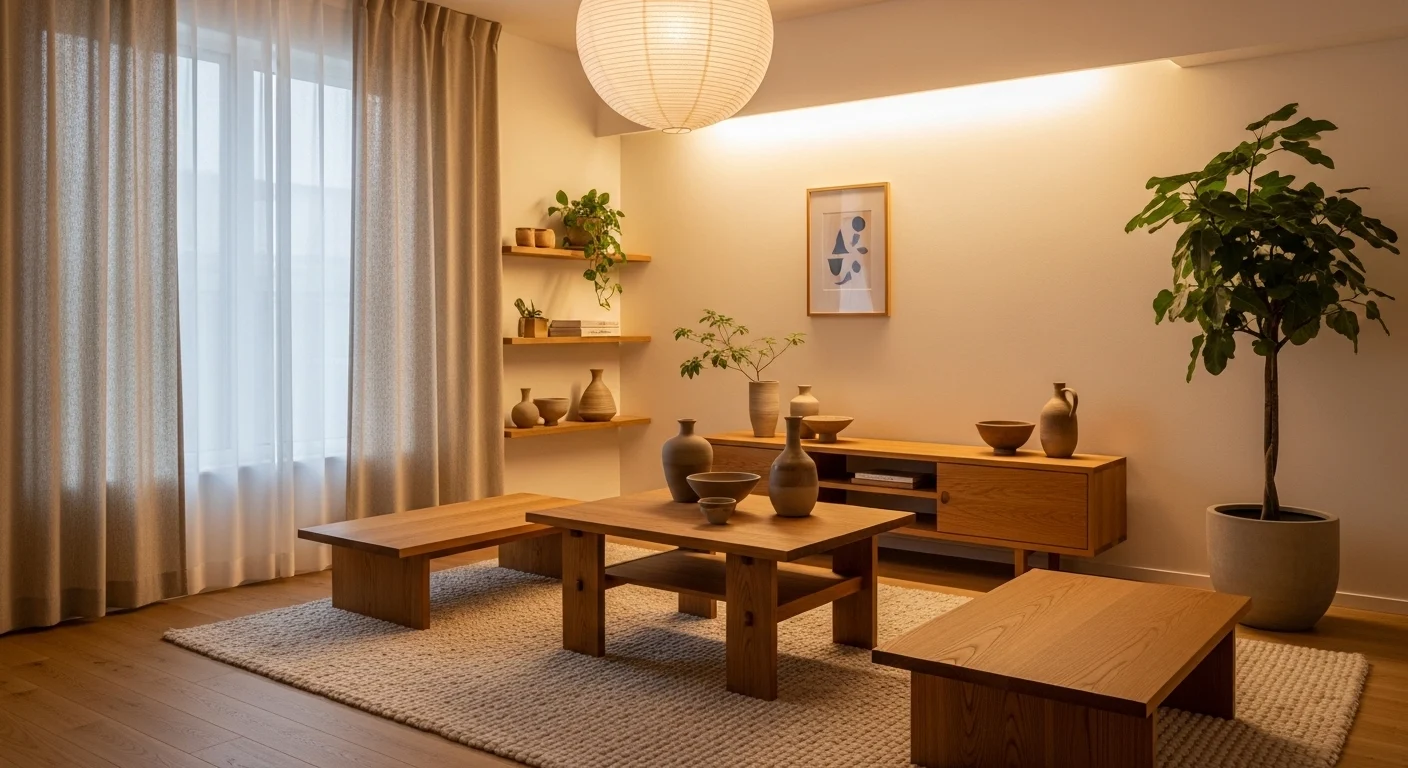
Japandi homes always seem to feel calm without looking empty. The mix of soft minimalism and warm natural textures makes rooms feel peaceful but still comfortable to live in.
Nothing feels too perfect or overly styled.
And honestly, that relaxed simplicity is probably why people love the look so much.
1. Use Soft Neutral Color Layers
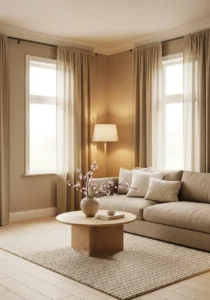
Japandi interiors usually stay grounded in soft earthy shades like warm white, beige, sand, and muted grey. Layering similar tones together keeps the room feeling calm instead of flat. Linen curtains, textured rugs, and matte walls all help add quiet depth without needing bold colors. The palette feels airy but still warm enough to feel inviting every day. It’s simple, though never cold.
2. Choose Low Wooden Furniture
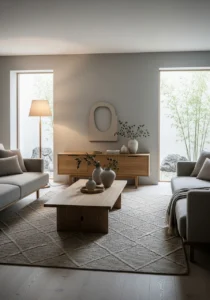
Low-profile furniture creates that relaxed Japandi feeling almost instantly. A low oak coffee table, platform bed, or simple bench helps rooms feel more open and balanced. Natural wood finishes work best because they add warmth without making the space heavy. Keep the shapes clean and minimal, but not overly sharp. The room should still feel comfortable enough to actually relax in.
3. Keep Decor Minimal but Meaningful
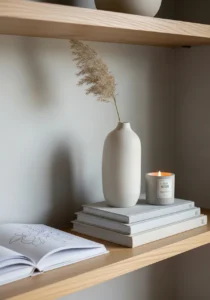
Japandi spaces usually feel calm because there’s less visual clutter overall. Instead of filling shelves and tables with decor, focus on just a few pieces that feel intentional. A ceramic vase, a small stack of books, or one candle is often enough. Empty space is part of the design too. It helps the room breathe visually and feel more peaceful.
4. Add Warm Wood Textures Everywhere
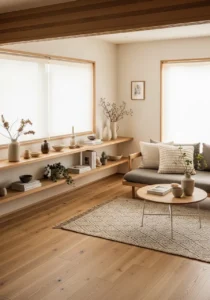
Wood is one of the main things that keeps Japandi interiors from feeling too stark. Light oak, walnut, or ash tones work beautifully across furniture, shelving, and flooring. Mixing different wood grains makes the room feel softer and more natural over time. Pair wood with linen or stone textures so the space still feels layered instead of overly minimal.
5. Use Soft Ambient Lighting
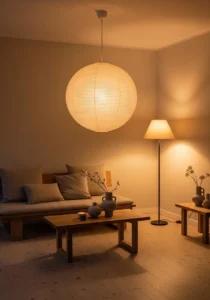
Bright overhead lights can quickly ruin the calm feeling of a Japandi room. Softer lighting works much better here. Use table lamps, paper lanterns, wall sconces, or warm floor lamps to create a gentle glow in the evenings. Warm white bulbs help soften the clean lines and natural materials around the room. It instantly feels more relaxing and comfortable.
6. Bring Nature Indoors
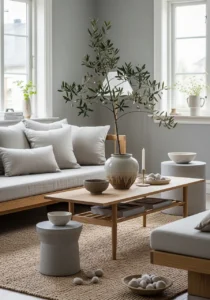
Japandi homes often feel connected to nature in small quiet ways. A simple olive branch, bonsai tree, or ceramic planter with greenery softens the room naturally. You don’t need large dramatic plants either. Even one small branch in a textured vase can make the whole space feel calmer. Natural elements help balance all the cleaner minimalist surfaces.
7. Mix Japanese Simplicity with Scandinavian Comfort
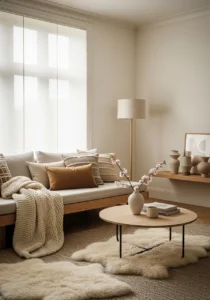
The beauty of Japandi design comes from balancing two styles together. Japanese interiors bring simplicity and calm, while Scandinavian spaces add warmth and comfort. Soft fabrics, natural wood, and functional furniture all work together quietly. The room should feel practical but still cozy enough for everyday life. Nothing looks overly decorative, yet everything feels thoughtful.
8. Use Linen and Woven Fabrics
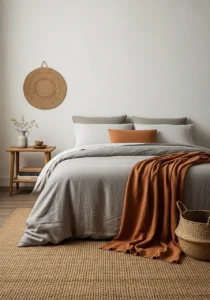
Soft fabrics make Japandi interiors feel much warmer and more lived in. Linen curtains, woven rugs, and textured cushions help soften all the cleaner furniture lines. Stick to muted earthy tones like oatmeal, clay, or warm ivory so everything blends naturally together. The textures quietly add comfort without making the room feel busy or crowded.
9. Keep Open Space Around Furniture
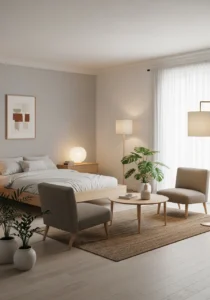
Japandi rooms usually feel airy because furniture isn’t pushed too closely together. Leaving small open areas around pieces helps the room feel lighter visually. It also makes everyday movement easier and calmer somehow. Instead of filling every corner, focus on fewer items with better placement. Simplicity tends to feel much more luxurious over time.
10. Add Handmade Ceramic Decor
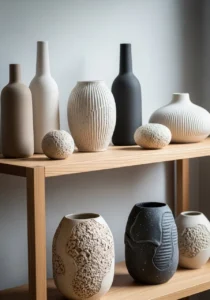
Handmade ceramics fit beautifully into Japandi interiors because slight imperfections actually add character. Matte vases, textured bowls, or uneven pottery pieces bring softness to modern minimal spaces. Neutral ceramic tones work especially well against wood and linen textures. These small details help the room feel personal instead of overly polished.
11. Use Sliding Panels or Light Curtains
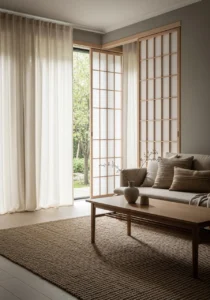
Soft curtains or sliding panels help separate spaces without making rooms feel closed off. Linen fabric works especially well because it filters natural light gently throughout the day. Light neutral tones keep the atmosphere feeling airy and calm. It’s a subtle detail, but it changes how peaceful the entire room feels.
12. Stick to Functional Furniture
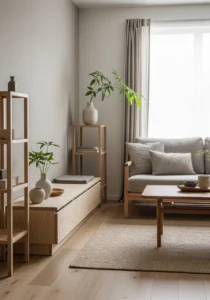
Furniture in Japandi homes usually serves a purpose beyond just decoration. Simple storage benches, low shelving, or clean-lined sideboards help keep rooms organized while still looking beautiful. Avoid oversized furniture that makes the room feel crowded. Functional pieces with natural textures tend to blend into the space much more naturally.
13. Add Stone and Matte Finishes
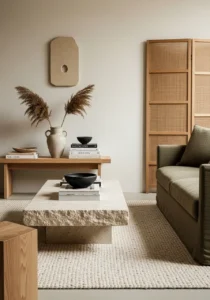
Stone textures and matte finishes help Japandi rooms feel grounded and calm. A stone coffee table, matte kitchen counter, or textured vase quietly adds depth without overpowering the room. Shiny surfaces can sometimes feel too harsh in minimalist spaces, so softer finishes usually work better. The room ends up feeling balanced and relaxed overall.
14. Keep the Bedroom Calm and Simple
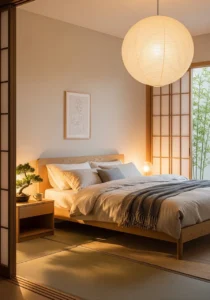
Japandi bedrooms usually focus on comfort without excess decoration. A low bed frame, soft bedding, and warm lighting create a peaceful setup that feels easy to unwind in. Stick to neutral colors and natural textures so the room stays visually calm. Even a small bedroom can feel much more spacious with this softer minimalist approach.
15. Style Shelves with Restraint
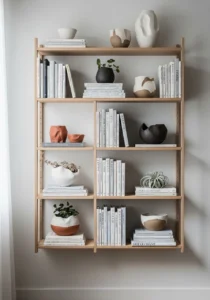
Open shelves look best in Japandi homes when they’re not overcrowded. Leave space between books, ceramics, and decor pieces so everything feels balanced. The mix of open space and texture creates a softer minimalist look that feels more natural. It’s less about styling perfectly and more about creating visual calm throughout the room.