Some rooms have that instant wow factor. You walk in, look around, and wonder how everything feels so effortless. The colors work, the textures feel intentional, and somehow every corner looks photo-ready.
What I’ve noticed over the years is that magazine-worthy rooms aren’t always the most expensive. They’re usually built around thoughtful details that make the space feel both beautiful and personal.
If you’re collecting inspiration for your next makeover, these dream room ideas can help create a space that feels stylish, inviting, and unforgettable.
1. Create a Luxurious Layered Bed
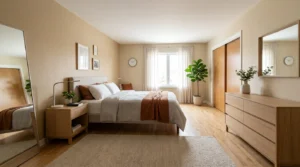
A beautifully layered bed is often the first thing people notice when they walk into a dream bedroom. It instantly makes the space feel polished and intentional, even if the rest of the room remains fairly simple.
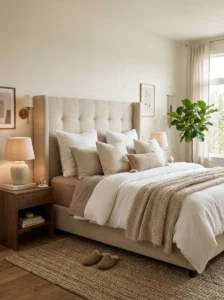
Imagine crisp white sheets topped with a textured duvet, a folded knit throw blanket, and a collection of pillows in soft neutral tones. The layers create depth while making the bed look incredibly inviting. Nothing feels overly styled. It simply looks comfortable.
I once replaced a basic comforter with layered bedding in different textures, and the room felt completely transformed. The bed suddenly became the focal point without requiring any major renovations or expensive furniture.
Texture plays a huge role here. Linen, cotton, velvet, and chunky knits work beautifully together because they add visual interest without overwhelming the design. Subtle color variations also help create a more collected appearance.
A layered bed isn’t just about aesthetics. It makes the room feel warmer and more welcoming. That’s part of what gives magazine-inspired spaces their charm.
Sometimes the simplest changes create the biggest impact.
2. Add Floor-to-Ceiling Curtains
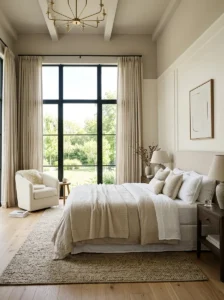
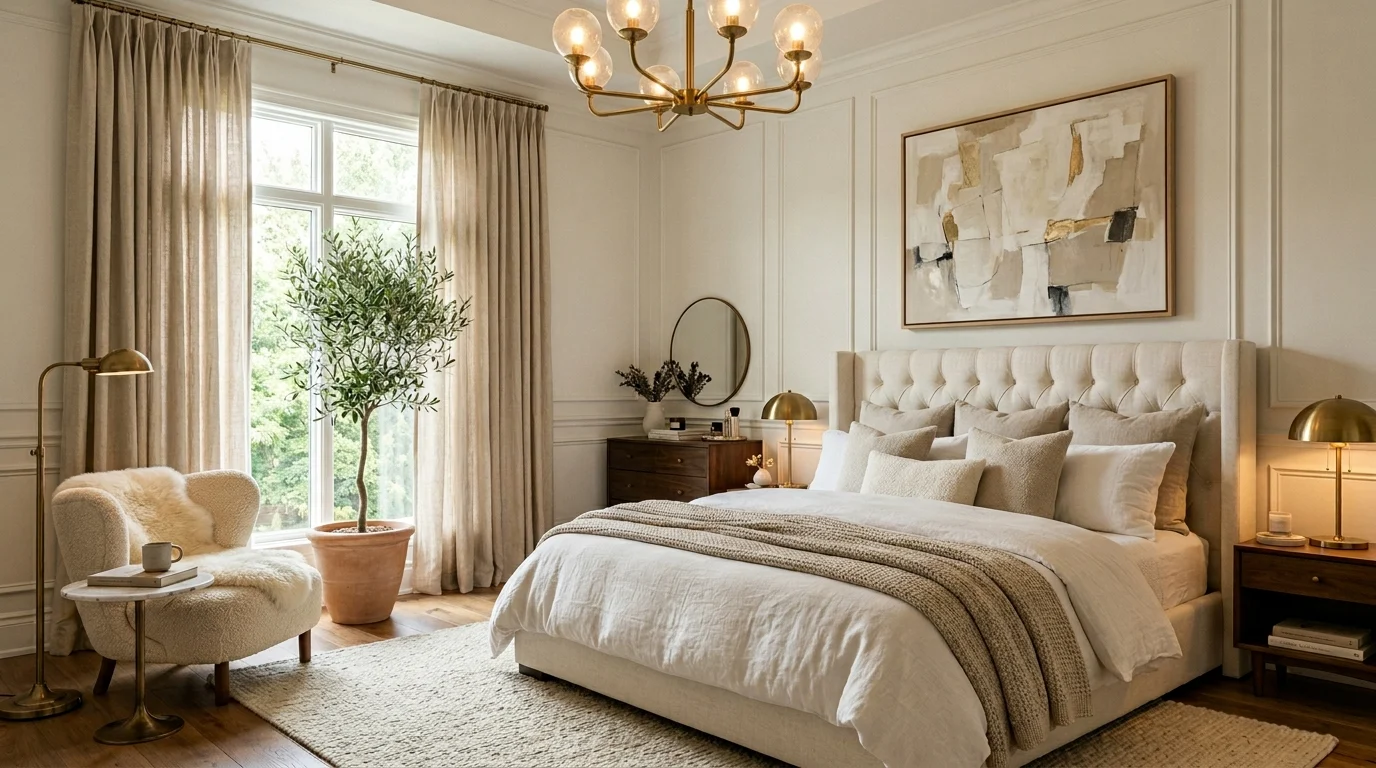
One design trick that appears in countless luxury interiors is floor-to-ceiling curtains. They make ceilings appear taller, windows feel larger, and the entire room look more refined.
Even if your windows aren’t particularly large, hanging curtains higher than the window frame can create the illusion of extra height. The effect is surprisingly dramatic.
I remember helping a friend update her bedroom with nothing more than new curtains. We mounted them closer to the ceiling instead of directly above the window. The room instantly felt larger and far more elegant.
Linen curtains work especially well because they soften the space without feeling heavy. Sheer fabrics allow natural light to filter through beautifully during the day, while thicker panels add warmth and privacy at night.
Neutral colors such as ivory, beige, soft gray, and warm white tend to create the most timeless look. They complement nearly any design style and help maintain an airy atmosphere.
This small upgrade often makes a room feel custom-designed, which explains why it appears so often in magazine-worthy interiors.
3. Incorporate Statement Lighting
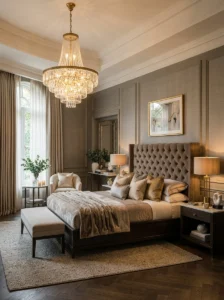
Lighting has the power to completely change how a room feels. In many dream rooms, the lighting fixture isn’t just functional. It’s a design feature all on its own.
A sculptural chandelier above the bed, a modern pendant in a reading corner, or a dramatic floor lamp beside a chair can instantly elevate the entire space. These pieces draw the eye upward and create a strong focal point.
One thing I learned while redecorating my own room is that lighting often has more impact than people expect. Swapping a basic fixture for something more distinctive changed the mood of the space immediately.
The best statement lighting balances beauty and practicality. It should provide enough illumination while contributing to the room’s personality. Warm bulbs also help create a softer, more inviting atmosphere.
Materials matter too. Brass, glass, woven fibers, and matte finishes all bring different textures into the room. Choosing a fixture that complements existing decor helps everything feel cohesive.
A beautiful light fixture can make even a simple room feel thoughtfully designed and surprisingly luxurious.
4. Use a Soft Neutral Color Palette
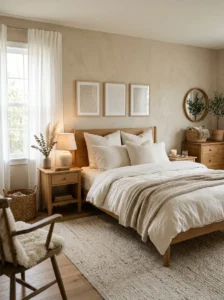
Many magazine-inspired rooms rely on soft neutral colors because they create a calm foundation that feels timeless rather than trendy. Neutral doesn’t mean boring. In fact, some of the most beautiful interiors use very little color at all.
Think layers of cream, beige, taupe, warm gray, and soft white. These shades blend naturally together, allowing textures and architectural details to stand out.
I used to prefer darker accent colors until I experimented with a neutral palette in a bedroom makeover. The room immediately felt brighter and more relaxing. Natural light became more noticeable, and everything looked more cohesive.
Adding different textures keeps the palette interesting. Linen bedding, woven baskets, wood furniture, and ceramic accessories all contribute visual depth without requiring bold colors.
Neutral rooms also adapt easily to changing styles. Seasonal decor, artwork, and accessories can be updated without needing a complete redesign.
A soft palette creates the kind of effortless elegance that often defines dream interiors and high-end design magazines.
5. Design a Cozy Reading Corner
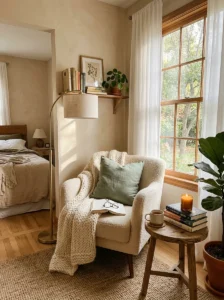
Every dream room benefits from a space that feels personal. A cozy reading corner adds function while making the room look thoughtfully planned.
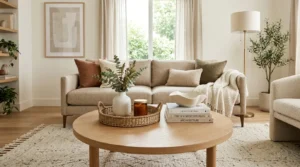
A comfortable accent chair placed near a window creates an inviting place to relax. Add a soft throw blanket, a small side table, and a warm lamp, and the corner instantly feels complete.
One of my favorite room updates involved turning an unused corner into a reading nook. It didn’t require much furniture, but it changed how the room was used every day. Suddenly there was a dedicated spot for quiet moments.
Natural light makes reading corners especially appealing. During the day, sunlight creates a calm atmosphere. At night, layered lighting keeps the area comfortable and warm.
Small decorative details help personalize the space. A stack of books, a ceramic vase, or a simple framed print can add character without cluttering the area.
Dream rooms aren’t only beautiful to look at. They support everyday routines, and a cozy reading corner does exactly that.
6. Add an Oversized Area Rug
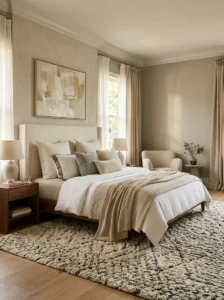
A large area rug can completely change the way a room feels. It grounds the furniture, adds softness underfoot, and creates the polished look often seen in magazine interiors. Surprisingly, many dream rooms use rugs that are larger than people expect.
Picture a plush neutral rug extending well beyond the bed or seating area. Furniture sits comfortably on top instead of floating awkwardly around the room. The space immediately feels more connected and intentional.
I made the mistake of choosing a rug that was too small once, and the room always felt slightly unfinished. Replacing it with a larger size made everything look more balanced. It was one of the most noticeable upgrades.
Texture plays an important role too. Wool, woven cotton, and high-pile rugs all bring warmth into a space. The softness contrasts beautifully with wood floors and smooth furniture surfaces.
Neutral tones tend to work best because they allow other design elements to shine. Subtle patterns can add interest without overpowering the room.
A generously sized rug helps create the luxurious foundation that many dream rooms rely on, making the entire space feel more cohesive and comfortable.
7. Style Open Shelves Like a Designer
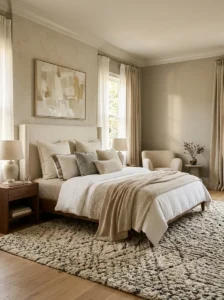
Open shelving has a way of making rooms feel personal when it’s done well. Instead of hiding everything behind cabinet doors, carefully selected objects become part of the design.
The trick is mixing decorative and functional pieces. A stack of books beside a ceramic vase, a framed photo next to a small plant, and a woven basket on a lower shelf create a collected look without feeling staged.
I used to fill every inch of shelf space because empty spots felt unfinished. Then I noticed that designer rooms often leave plenty of breathing room. Once I removed a few items, the shelves actually looked better.
Varying heights and materials creates visual interest. Wood, glass, ceramic, and metal accents work beautifully together when the color palette remains consistent.
Natural light makes styled shelves even more attractive because shadows and textures become more noticeable throughout the day.
Thoughtfully arranged shelves help tell a story about the people who live in the room. That’s often what separates a beautiful space from one that feels truly memorable.
8. Bring in Oversized Mirrors
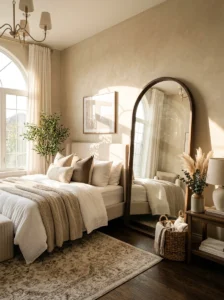
Mirrors are one of the oldest design tricks for a reason. They reflect light, create the illusion of more space, and add elegance without requiring major changes to the room.
An oversized mirror leaning casually against a wall can feel especially luxurious. Whether framed in wood, brass, or black metal, it instantly becomes a statement piece.
I added a large mirror opposite a window in a small bedroom and was surprised by the difference. The room felt brighter almost immediately because sunlight bounced throughout the space.
Placement matters. Positioning a mirror where it reflects natural light or an attractive view maximizes its impact. It doesn’t just make the room look bigger. It improves the overall atmosphere.
Large mirrors also pair beautifully with different design styles. Modern spaces often use simple frames, while more traditional rooms may feature decorative details.
The best part is that mirrors provide both beauty and function. They help create the bright, airy appearance often seen in magazine-worthy dream rooms.
9. Mix High-End and Budget Decor
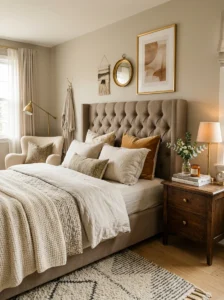
One thing many people don’t realize is that magazine-style rooms rarely rely entirely on expensive furniture. The most successful spaces often combine investment pieces with affordable finds.
A beautiful upholstered bed might sit beside a simple secondhand nightstand. Designer lighting can pair with budget-friendly decor accessories. The contrast often feels more authentic than a room filled with matching luxury pieces.
I learned this while decorating on a limited budget. Some of my favorite items came from thrift stores, flea markets, and local markets. Mixing them with newer pieces created a room that felt unique rather than predictable.
Texture and styling often matter more than price. A woven basket, linen pillow, or ceramic vase can look incredibly expensive when placed thoughtfully within the room.
The goal isn’t impressing people with expensive purchases. It’s creating a space that feels layered and personal.
Dream rooms usually reflect good design choices rather than unlimited budgets, which makes them much more achievable than many people think.
10. Add Warm Ambient Lighting
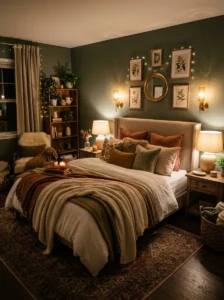
Few things influence the mood of a room more than lighting. Harsh overhead fixtures can make even beautiful spaces feel cold, while layered lighting creates warmth and comfort.
Magazine interiors often rely on several light sources rather than a single ceiling fixture. Table lamps, wall sconces, floor lamps, and accent lighting work together to create depth and atmosphere.
I noticed this after turning off the main light in my bedroom one evening and relying only on lamps. The room felt calmer and significantly more inviting. Nothing else changed, yet the entire mood shifted.
Warm white bulbs tend to create the most welcoming effect. They soften shadows and enhance natural materials like wood, linen, and woven textures.
Lighting can also highlight specific areas. A reading nook, artwork display, or styled shelf becomes more noticeable when illuminated thoughtfully.
Creating layers of light helps a room feel comfortable at every hour of the day. It’s one of the simplest ways to achieve that polished, magazine-inspired look people love.
11. Create a Boutique Hotel-Inspired Bedroom
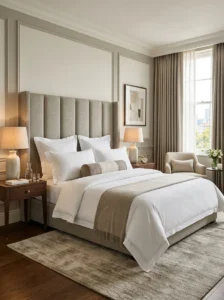
Some of the most memorable dream rooms borrow ideas from luxury hotels. There is something special about walking into a space that feels calm, uncluttered, and carefully designed. The good news is that you do not need a huge budget to recreate that feeling at home.
Start with crisp bedding, a padded headboard, and matching bedside lamps. Keeping both sides of the bed visually balanced creates a polished look. Soft neutral colors help the room feel restful rather than busy.
I stayed in a boutique hotel a few years ago and noticed how little decor was actually used. There were only a few carefully chosen pieces, but everything felt intentional. That experience completely changed how I approached bedroom styling.
Layered bedding, blackout curtains, and warm lighting help reinforce the hotel-inspired atmosphere. A small bench at the foot of the bed can also add a luxurious touch.
The goal is creating a room that feels comfortable the moment you walk in. When every element works together, the space feels effortlessly elegant and surprisingly relaxing.
12. Use Large Artwork as a Focal Point
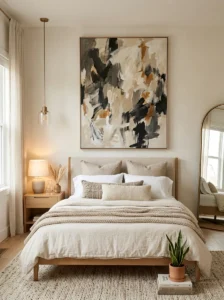
Large artwork has a way of making a room feel professionally designed. Instead of filling walls with many smaller pieces, one oversized print can create a stronger visual impact.
Imagine a large abstract canvas hanging above a bed or sofa. The artwork immediately draws attention and helps anchor the entire room. Even simple furniture can feel elevated when paired with a statement piece.
I spent weeks trying to arrange a gallery wall once and never felt satisfied with the result. Eventually I replaced everything with one oversized print. The room instantly felt cleaner and more sophisticated.
Artwork doesn’t need to be expensive to look impressive. Framed photography, digital prints, and canvas reproductions can all work beautifully when chosen carefully.
The colors within the artwork can also help tie the room together. Repeating those tones in pillows, throws, or decorative accessories creates subtle cohesion.
A single statement piece often delivers the kind of impact people associate with magazine interiors.
13. Incorporate Fresh Greenery
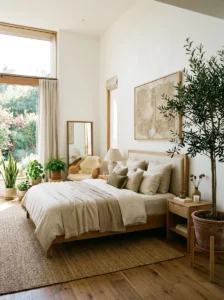
Plants bring life into a room in a way that few other decor elements can. They soften hard lines, add natural color, and make interiors feel more welcoming.
A tall olive tree in a woven basket can transform an empty corner. Smaller plants on shelves, nightstands, and desks add texture without overwhelming the space. Even a simple vase of fresh branches can make a noticeable difference.
I was hesitant about decorating with plants at first because I worried about maintenance. Starting with low-maintenance varieties made the process much easier than expected. The improvement to the room was immediate.
Natural materials work beautifully alongside greenery. Wood furniture, linen textiles, and ceramic planters all complement the organic feel plants provide.
Sunlight enhances the effect even more. As light filters through leaves during the day, the room gains movement and warmth.
Dream rooms often feel connected to nature, and greenery is one of the easiest ways to create that feeling.
14. Add Custom-Looking Built-Ins
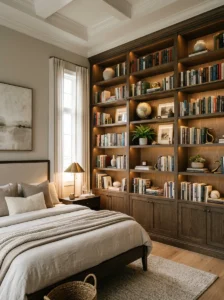
Built-in shelving and storage instantly make a room feel more expensive. They create a tailored appearance that looks thoughtfully integrated into the architecture rather than added later.
Floor-to-ceiling bookshelves around a bed, window seat, or desk can transform an ordinary room into something special. The added storage is useful, but the visual impact is often what people notice first.
I remember visiting a home where simple shelving units had been trimmed with molding to mimic custom built-ins. Most people assumed they were professionally installed. Small details really can make a huge difference.
Built-ins provide opportunities to display books, artwork, ceramics, and personal collections in a way that feels organized. Leaving some empty space prevents the shelves from looking crowded.
Painting built-ins the same color as the walls often creates a seamless appearance. The room feels larger because everything blends together naturally.
This design feature appears frequently in magazine interiors because it combines beauty and practicality so effectively.
15. Keep the Room Thoughtfully Edited
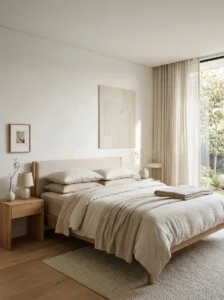
One common trait shared by nearly every dream room is restraint. Beautiful spaces rarely contain endless decor. Instead, they focus on a smaller number of meaningful items arranged thoughtfully.
It can be tempting to keep adding accessories, but sometimes removing a few pieces creates a stronger result. Clear surfaces help highlight the decor that remains.
I learned this while redesigning my own room. Every time I removed unnecessary items, the space felt calmer. The furniture, artwork, and textures I loved became much more noticeable.
A thoughtfully edited room doesn’t feel empty. It feels intentional. Books are displayed neatly. Decorative objects have space around them. Furniture is arranged with purpose.
Natural light, layered textures, and personal details become easier to appreciate when visual clutter is reduced.
Many magazine-worthy rooms achieve their elegance through simplicity. They focus on quality over quantity, creating spaces that feel comfortable, beautiful, and easy to live in.