A living room should feel calm, comfortable, and easy to spend time in. But many spaces end up looking cluttered or unbalanced without clear planning.
The good news is you don’t need a full redesign to fix that. Small, thoughtful changes can make your living room feel more relaxed and visually balanced.
These ideas focus on simplicity, comfort, and smart styling. Each one helps you create a space that feels natural and easy to live in.
1. Use a Neutral Color Palette as Your Base
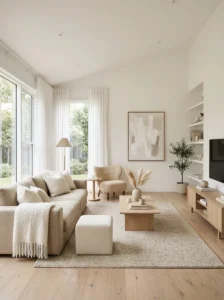
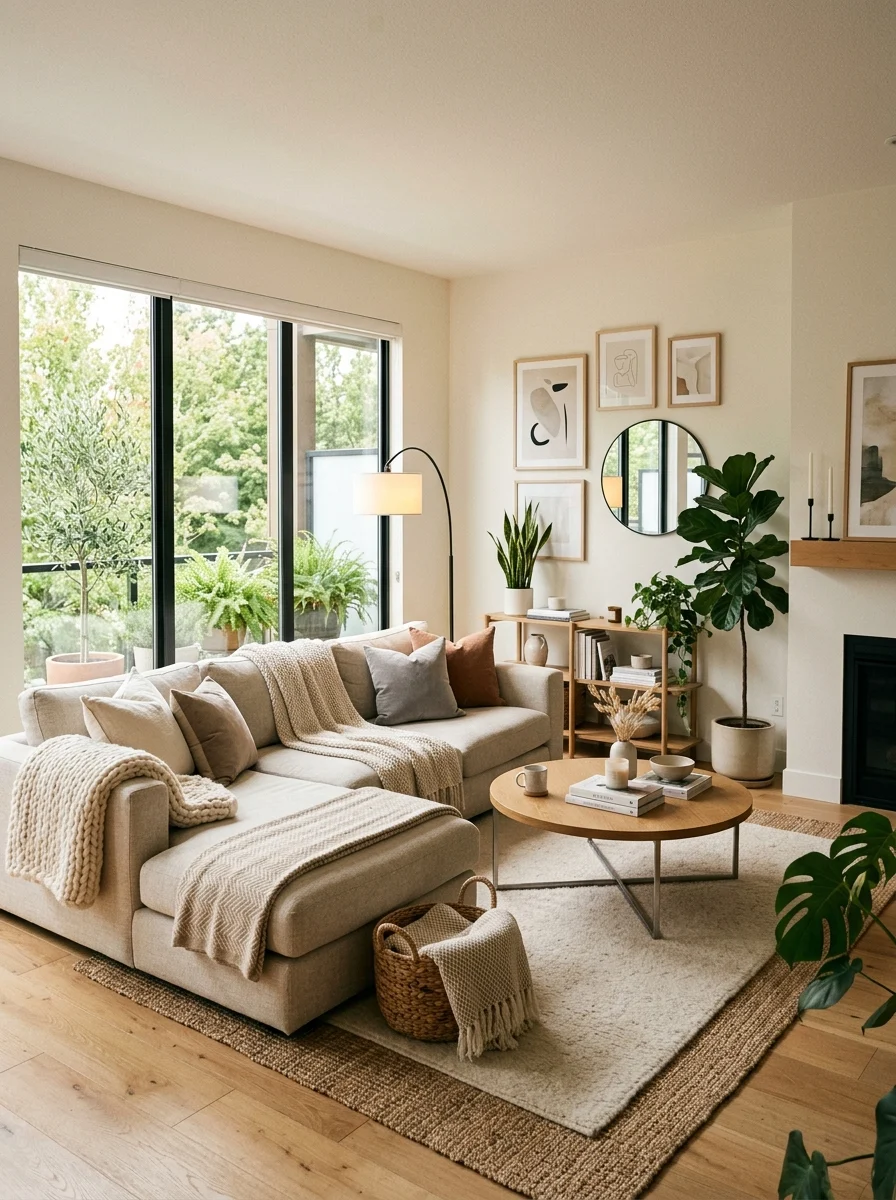
A neutral color palette is one of the easiest ways to create a balanced and relaxed living room. Shades like white, beige, taupe, and soft gray provide a calm background that doesn’t overwhelm the space.
These tones help reflect light, making the room feel more open and airy. They also allow your furniture and decor to stand out without clashing. When everything feels visually connected, the space becomes more comfortable to spend time in.
Another advantage is flexibility. Neutral colors make it easy to update your decor over time. You can change cushions, rugs, or artwork without needing to repaint or redesign the whole room. And when you are ready to take it a step further, Classic Living Room Ideas covers the next layer down.
To keep the space from feeling flat, combine different shades within the same palette. For example, mix warm beige with soft cream and light brown tones.
This approach creates depth while maintaining a calm, relaxed atmosphere that works in almost any home.
2. Layer Textures to Add Soft Depth
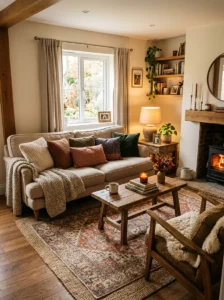
A balanced room isn’t just about color—it’s also about how things feel visually. Texture plays a big role in making a living room feel complete and comfortable.
Layering textures means combining different materials like soft fabrics, wood, metal, and natural fibers. For example, you can pair a linen sofa with a wool rug and add velvet cushions for contrast.
This mix creates visual interest without needing bold colors. It also makes the space feel more inviting and warm.
Texture helps break up flat surfaces and adds depth, especially in neutral rooms. Without it, the space can feel too simple or unfinished.
Try to balance smooth and rough elements. A glass table with a woven basket or a wooden shelf with soft decor items works well.
This simple technique can transform your living room into a space that feels cozy, balanced, and thoughtfully designed.
3. Add Indoor Plants for a Natural Touch
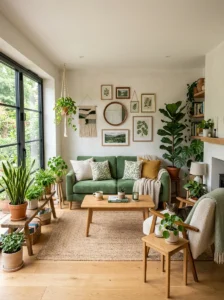
Bringing plants into your living room adds life in a very natural way. Greenery softens the space and creates a sense of calm that’s hard to achieve with decor alone.
Plants also help balance out hard surfaces like walls, floors, and furniture. This contrast makes the room feel more relaxed and less structured.
You don’t need a large collection. Even one or two well-placed plants can make a noticeable difference. A tall plant in a corner or a small one on a table works well.
Choose low-maintenance options if you prefer something easy to care for. Plants like snake plants or pothos require minimal attention.
Another benefit is flexibility. You can move plants around and change their placement depending on the layout.
This small addition brings freshness and balance, making your living room feel more connected to nature.
4. Choose a Few Statement Furniture Pieces
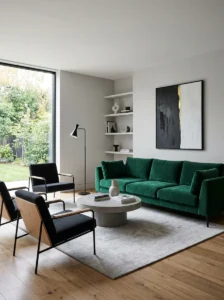
A relaxed living room doesn’t need too many items. Instead of filling the space, focus on a few key furniture pieces that stand out.
A comfortable sofa, a unique coffee table, or a well-designed chair can act as the main focus. These pieces define the room without making it feel crowded.
When furniture is chosen carefully, it reduces the need for excessive decoration. This helps maintain a clean and balanced look.
Make sure the size of the furniture fits your space. Oversized pieces in a small room can feel heavy, while very small pieces can make the room feel empty.
Balance is important. Combine one bold piece with simpler elements around it.
This approach creates a living room that feels intentional, comfortable, and easy to use.
5. Create a Clear Focal Point
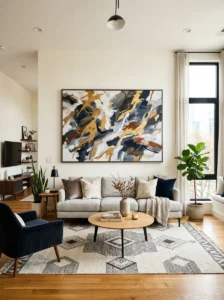
Every well-designed living room has a focal point. It’s the first thing your eyes notice when you enter the space.
This could be a piece of art, a fireplace, a TV unit, or even a large window. A clear focal point helps organize the room visually.
Without one, the space can feel scattered or confusing. Too many competing elements can make it hard to relax.
Once you choose your focal point, arrange furniture around it. This creates structure and makes the room feel more balanced.
Keep the surrounding decor simple so the focal area stands out naturally.
A strong focal point gives your living room direction and makes the overall design feel complete.
6. Use Layered Lighting for a Softer Feel
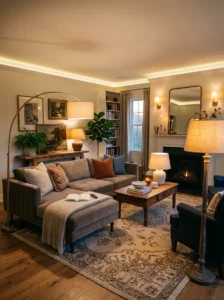
Lighting affects the mood of your living room more than most people realize. A single overhead light often feels too harsh or flat.
Layered lighting combines different sources like ceiling lights, table lamps, and floor lamps. This creates a softer and more flexible atmosphere.
You can adjust lighting based on time or activity. Bright light works during the day, while softer lighting is better for evenings.
Warm light tones help create a cozy and relaxed feel. Avoid very bright white light if you want a calm environment.
Adding small lights in different areas also helps eliminate dark corners. You will find the practical side of the same idea in High Ceiling Living Rooms That Feel Grand Yet Cozy.
This makes the room feel more inviting and balanced.
7. Mix Modern and Classic Elements
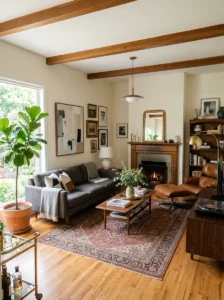
Combining different styles can make your living room feel more natural and less staged. Mixing modern and classic elements adds personality.
For example, you can pair a modern sofa with a vintage table or use classic decor in a simple room.
This mix prevents the space from feeling too uniform or predictable.
Balance is key. Don’t let one style overpower the other. Keep the combination subtle and thoughtful.
This approach creates a room that feels collected over time, not designed all at once.
8. Arrange Furniture for Easy Flow
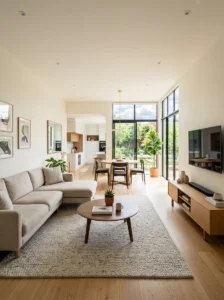
A relaxed living room should be easy to move through. Furniture placement plays a big role in this.
Avoid blocking pathways or placing items too close together. Leave enough space for comfortable movement.
Arrange seating to encourage conversation. A simple layout facing each other works well.
This improves both function and comfort.
A well-planned layout makes the room feel open and balanced.
9. Use Mirrors to Reflect Light
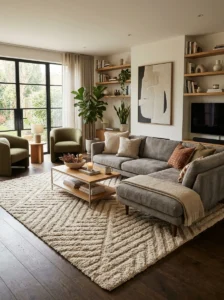
Mirrors are a simple way to make a room feel brighter and more spacious. They reflect both natural and artificial light.
Placing a mirror opposite a window increases brightness. It also creates the illusion of depth.
Mirrors can also act as decorative elements. Choose shapes and frames that match your style.
This is especially useful in smaller living rooms.
10. Add Soft Rugs to Ground the Space
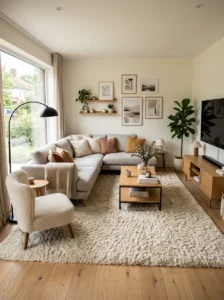
Rugs help define areas and make the room feel more connected. They also add warmth underfoot.
Choose a size that fits your furniture layout. A rug that’s too small can make the space feel unbalanced.
Soft textures work best for a relaxed atmosphere.
Rugs also help reduce noise and improve comfort.
11. Keep Decor Minimal and Intentional
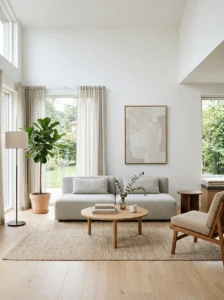
Too many decorative items can make a room feel cluttered. A relaxed space needs simplicity.
Choose a few meaningful pieces instead of filling every surface.
This keeps the design clean and easy to maintain.
Intentional decor creates a calm and organized look.
12. Use Curtains to Soften the Room
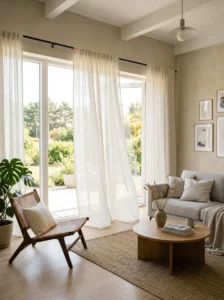
Curtains add softness and help control light. They also make the room feel more complete.
Light fabrics create an airy feel, while heavier ones add warmth.
Hanging curtains slightly higher can make the room appear taller.
This small detail improves overall balance.
13. Add Personal Touches That Feel Natural
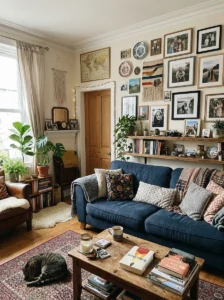
A living room should reflect your personality, but it should still feel calm and balanced. Personal items help create that connection.
Instead of filling the room with random decor, choose pieces that have meaning. This could be travel souvenirs, framed photos, or handmade items.
These details make the space feel lived-in rather than staged. They also create a sense of comfort because the room tells your story.
Balance is important here. Too many personal items can make the room feel cluttered. Spread them out and mix them with neutral decor to keep everything visually calm.
You can group items in small sections, like a shelf or table, instead of placing them everywhere. This keeps the room organized.
When done right, personal touches make your living room feel warm, authentic, and naturally relaxed.
14. Choose Multi-Functional Furniture
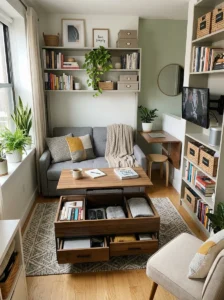
In a balanced living room, every piece should serve a purpose. Multi-functional furniture helps reduce clutter while improving usability.
For example, a coffee table with storage can hold books or blankets. A sofa bed can be useful for guests without taking extra space. If you are still weighing options, Living Room Table Ideas is a useful place to compare looks side by side.
This approach is especially helpful in smaller homes where space is limited.
It also keeps the room looking clean because fewer items are needed.
Choose designs that match your overall style so functionality doesn’t affect the look.
Multi-purpose furniture helps maintain a simple, practical, and relaxed environment.
15. Use Open Shelving Carefully
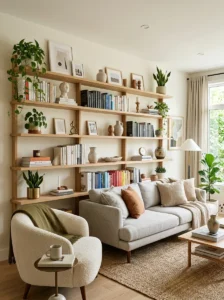
Open shelves can add both storage and style, but they need to be used with balance. Too many items on display can make the room feel busy.
Keep shelves organized with a mix of books, decor, and empty space. This creates a clean and structured look.
Using similar colors or materials helps maintain harmony.
Open shelving works best when it’s not overcrowded. Leave space between items so each piece stands out.
This approach keeps the room visually light while still being functional.
16. Keep a Consistent Color Flow
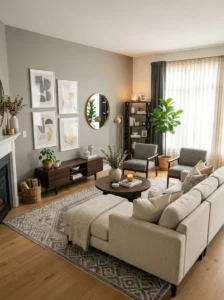
A balanced living room often uses a consistent color scheme throughout the space. This doesn’t mean everything has to match exactly, but the colors should feel connected.
For example, you can repeat similar tones in cushions, rugs, and artwork. This creates a sense of flow.
Avoid using too many contrasting colors, as it can make the room feel busy.
Soft transitions between shades help maintain a calm atmosphere.
This consistency makes the space feel more cohesive and relaxing.
17. Use Lighting to Create Zones
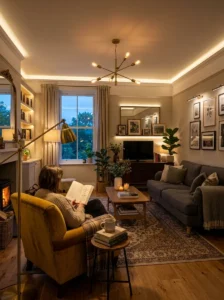
In larger living rooms, lighting can help define different areas. This makes the space feel organized and easier to use.
For example, a floor lamp near a chair can create a reading corner. A table lamp can highlight a side table or decor area.
This adds function without adding walls or barriers.
Different lighting zones also improve the overall atmosphere.
They allow you to adjust the space based on your needs.
18. Keep the Layout Open and Comfortable
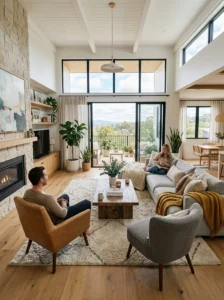
A relaxed living room should never feel cramped. Keeping the layout open helps improve both comfort and appearance.
Avoid overcrowding the space with too much furniture. Leave enough room for movement and breathing space.
Choose furniture that fits the size of your room. Proper scale is key to balance.
An open layout makes the room feel larger and more welcoming.
It also makes everyday use easier and more enjoyable.
Layout is only half the story in a living room. How the light falls, where your eye lands first, and what sits within easy reach matter just as much, as these next rooms show.
Add a Bold Accent Wall for Visual Interest
An accent wall is a simple way to add personality to your living room. Choose a bold color or textured wallpaper to create depth. It instantly becomes a focal point without making the space feel overwhelming.

Create a Cozy Reading Corner
A small reading nook can make your living room feel more relaxing. Add a comfortable chair, a soft throw, and a lamp. This creates a peaceful spot where you can unwind anytime.

Maximize Small Spaces With Smart Layouts
If your living room is small, the layout matters the most. Arrange furniture in a way that allows easy movement and avoids clutter. Keeping things simple helps the room feel bigger and more open.

Use Statement Lighting to Elevate the Space
Lighting can completely change the mood of your living room. A bold chandelier or stylish pendant light can act as a centerpiece while also improving the overall ambiance.

Greenery does a lot of quiet work in a living room. It softens hard edges, fills awkward corners and adds colour that never needs repainting. These plant-led touches are easy to copy at home. Readers working through the same kind of space often end up at Classy Living Room Ideas as well.
Use Hanging Planters for Vertical Interest
Hanging planters are a great way to make use of vertical space while keeping your floor area uncluttered. By placing plants at different heights, you create depth and visual movement in the room. This approach works especially well in smaller living rooms where space is limited. It also draws the eye upward, making the room feel taller and more open.

Create Mini Indoor Gardens With Terrariums
Terrariums offer a creative way to bring greenery into your living room without taking up much space. These small glass containers can hold a mix of plants, stones, and decorative elements, creating a miniature ecosystem. They are easy to maintain and can be placed on coffee tables, shelves, or side tables. This idea adds a unique and artistic touch to your decor.

Try Air Plants for Easygoing Decor
Air plants are perfect if you want greenery without the hassle of soil and heavy maintenance. They can be displayed in glass holders, mounted on walls, or arranged on decorative trays. Their unique shapes make them stand out as decorative pieces on their own. This makes them an excellent option for modern and minimalist living rooms.

Frame Your Windows With Lush Window Box Gardens
Window box gardens are not just for exteriors—they can also enhance your indoor living space. Placing greenery along windows creates a natural frame that softens the room and adds vibrancy. Choosing plants that thrive in sunlight ensures they remain healthy and visually appealing. This setup connects your indoor space with the outdoors beautifully.

A few of the most saved living rooms lately share the same habits: clear surfaces, one strong focal point and seating that faces people, not just the television. Here is what they do differently.
Layer Neutral Tones with Texture

Neutral living rooms feel warmer when different textures are layered together. A beige sofa with linen cushions, a chunky knit throw, and a woven rug instantly adds depth without needing bold color. Keep the palette soft but slightly varied so everything doesn’t blend together too much. Light wood furniture also helps balance the space naturally. It’s simple, calming, and easy to refresh seasonally just by changing a few smaller pieces around the room.
Add a Statement Floor Lamp

A large floor lamp can quietly become the focal point of the living room, especially in corners that feel empty. Choose something sculptural or slightly oversized with warm lighting instead of harsh white bulbs. Place it beside a reading chair or behind the sofa to soften the room in the evenings. It adds both function and atmosphere at the same time. And honestly, lighting changes the feel of a space faster than almost anything else.
Style Open Shelves More Sparingly
Open shelving tends to look better when there’s less on it. Instead of filling every shelf, leave small empty spaces between books, vases, or framed pieces. Mix textures like ceramic, wood, and glass so everything feels balanced. A tiny trailing plant can soften the harder edges too. It’s less about decorating perfectly and more about creating a shelf that feels natural and lived in rather than overly arranged.