Some homes just feel collected, not decorated. A mix of pieces, a bit of color, a few unexpected details—and suddenly it feels like yours.
Eclectic style isn’t about rules. It’s more about how things come together over time.
If your space feels a little flat, these ideas can help you warm it up without overthinking it.
1. Mix Vintage Finds with Modern Pieces

A sleek modern sofa next to a slightly worn wooden side table can create that layered, lived-in look. The contrast feels natural, not forced. Try adding one vintage item into a mostly modern space and see how it changes the mood. It doesn’t have to be perfect. Even a small detail like an old lamp or a textured stool adds character. The key is letting pieces feel different but still balanced in tone and color.
2. Layer Textiles for Warmth

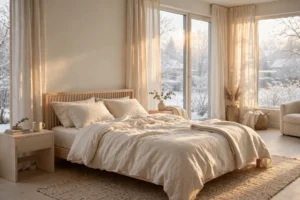
Throw blankets, cushions, and rugs can instantly make a room feel warmer. Mix fabrics like cotton, velvet, and knit so it doesn’t look flat. Keep the colors loosely connected so it still feels cohesive. A slightly rumpled throw on the sofa or bed adds a relaxed feel. It’s not about neatness here. It’s about comfort and texture working together in a soft, natural way.
3. Use Bold Rugs as a Focal Point

A patterned rug can anchor the whole room. Look for something with rich tones or subtle patterns that tie different elements together. Place it under your main seating area so it grounds everything. Even if the rest of the room is simple, the rug can add personality. It’s one of those pieces that quietly pulls everything into place.
4. Create a Collected Gallery Wall

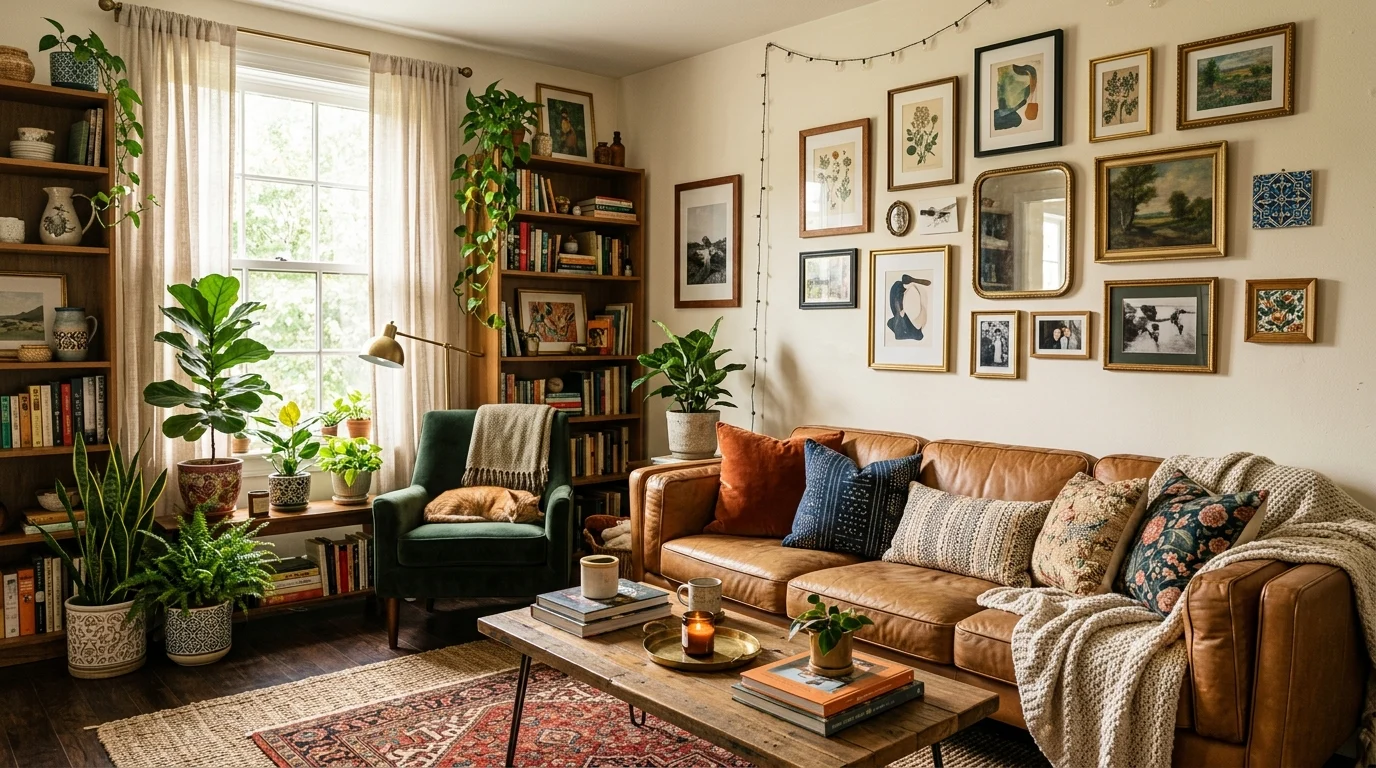
A gallery wall doesn’t need perfect symmetry. Mix frames, artwork, photos, maybe even a small mirror. Keep some consistency in color or spacing so it doesn’t feel chaotic. It should look like it came together over time, not all at once. And it’s easy to change or add pieces later, which makes it feel flexible.
5. Play with Unexpected Color Combos

Eclectic spaces often use color in a slightly surprising way. Try pairing soft tones with something deeper, like muted beige with a rich green or navy. You don’t need to go too bold. Even small accents can shift the look. It’s more about contrast than brightness. And once you find a combination you like, it ties everything together.
6. Combine Different Materials

Mixing materials keeps things interesting without adding clutter. Wood, metal, glass, and fabric can all work together if the tones feel balanced. A wooden table with a metal lamp or a glass vase nearby adds quiet contrast. It’s subtle, but it gives the space more depth. Nothing has to match exactly.
7. Add Plants for a Lived-In Feel

Plants soften everything. Even one tall plant in a corner can change how a room feels. Smaller ones on shelves or tables add little touches of green. Choose simple pots so they blend with your decor. It’s an easy way to make the space feel more relaxed and less styled.
8. Use Open Shelves to Show Personality

Open shelves are perfect for displaying a mix of things. Books, small decor pieces, maybe a candle or two. Don’t fill every inch. Leave some space so it doesn’t feel crowded. It’s more about how items are placed than how many you have. A slightly uneven arrangement often looks better.
9. Add Statement Lighting

Lighting can double as decor in an eclectic home. A bold pendant or an interesting floor lamp can stand out without overwhelming the space. Keep the surrounding area simple so it becomes the focus. It’s a practical detail that also adds character.
10. Mix Patterns Carefully

Patterns can work together if you give them a bit of space. Try combining stripes, florals, or geometric prints, but keep a shared color palette. Don’t layer everything too closely. Let each pattern stand on its own. It feels more balanced that way.
11. Use Mirrors to Reflect Light and Style

A mirror can do more than just reflect light. It adds another layer to the room. Choose one with a simple or slightly unique frame. Place it where it catches natural light. It makes the space feel bigger and more open without adding clutter.
12. Keep Some Areas Simple

Not every corner needs to be filled. Leaving a small area minimal helps everything else stand out. A simple chair, a clean wall, maybe just a lamp. It gives the eye a place to rest. And it keeps the space from feeling too busy.
13. Add Personal Objects That Tell a Story

Books, travel finds, small keepsakes—these details make a home feel real. They don’t have to match anything. They just need to mean something to you. Place them where they can be seen, but not overcrowded. It adds personality in a quiet way.
14. Blend Old and New Decor

Instead of sticking to one style, mix pieces from different times. A modern vase on a vintage shelf or a classic chair with a newer table can work well together. It creates a layered look that feels more natural than perfectly matched decor.
15. Use Warm Lighting for Comfort

Warm lighting makes a big difference, especially in the evenings. Add a few lamps instead of relying on one overhead light. It creates a softer atmosphere. And it makes the space feel more inviting without changing anything else.
16. Let Imperfection Be Part of the Style

Eclectic homes don’t feel perfect, and that’s the point. Slightly mismatched pieces, uneven arrangements, small quirks—they all add charm. You don’t need everything to line up exactly. In fact, it looks better when it doesn’t. It feels more real, more lived in, and more like your own space.
17. Mix Your Metals on Purpose, Not by Accident
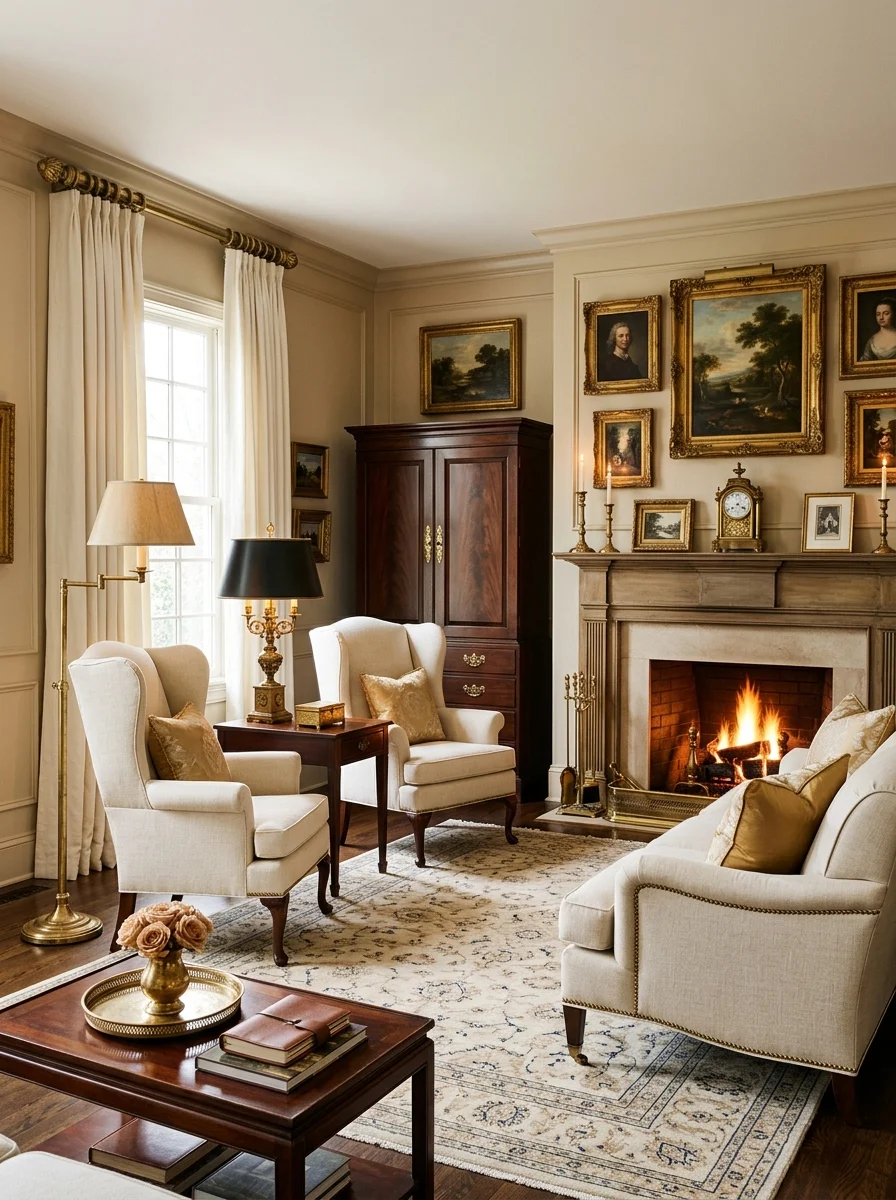
Eclectic rooms collect metal finishes over the years — a brass lamp from one decade, a chrome frame from another, black iron handles fitted last spring. That mix can look rich, or it can look like nobody was paying attention. The difference is repetition. A finish that appears at least twice in a room reads as a choice; a finish that appears once reads as a leftover.
Stand in the doorway and count your finishes out loud. Pick the two you like best and make sure each one shows up in at least two places, even if the second appearance is small — a picture frame echoing a lamp, a bowl echoing a handle. Then retire or move the loners to another room. Avoid polishing everything to the same shine, too. Aged brass beside brushed nickel has a collected warmth that a matched set never manages, and it suits the borrowed-from-everywhere spirit of classic living room ideas mixed with newer pieces.
18. Borrow Pattern from the Floor Up
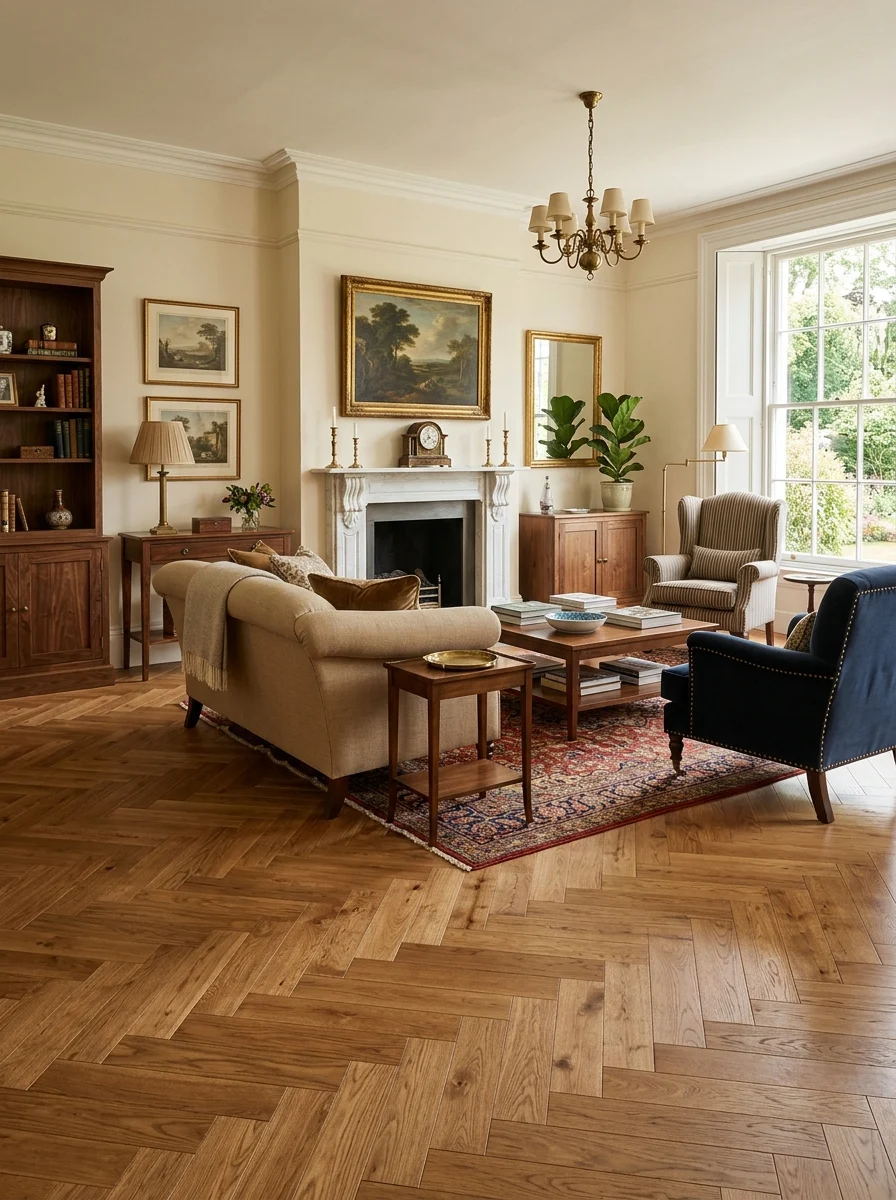
Most people add pattern at eye level — cushions, curtains, art — and leave the floor as a plain backdrop. Eclectic rooms often work the other way: a herringbone floor, a checked tile, or a bold flatweave rug sets the pattern, and everything above it can afford to be simpler. It is a useful trick in rented homes too, because a large patterned rug asks nobody’s permission.
If you own your floors and are redoing one room, a patterned lay — herringbone, chevron, or large-format checks — does the decorating work of three accessories. If you rent, go big with the rug instead: it should reach under the main furniture, not float in the middle. Keep the walls and the largest upholstery plain so the floor gets its moment. The mistake to avoid is pattern above and below at full strength at the same time. One loud layer per room is plenty; the rest can hum along quietly.
19. Steal One Grand Detail from a Formal Room
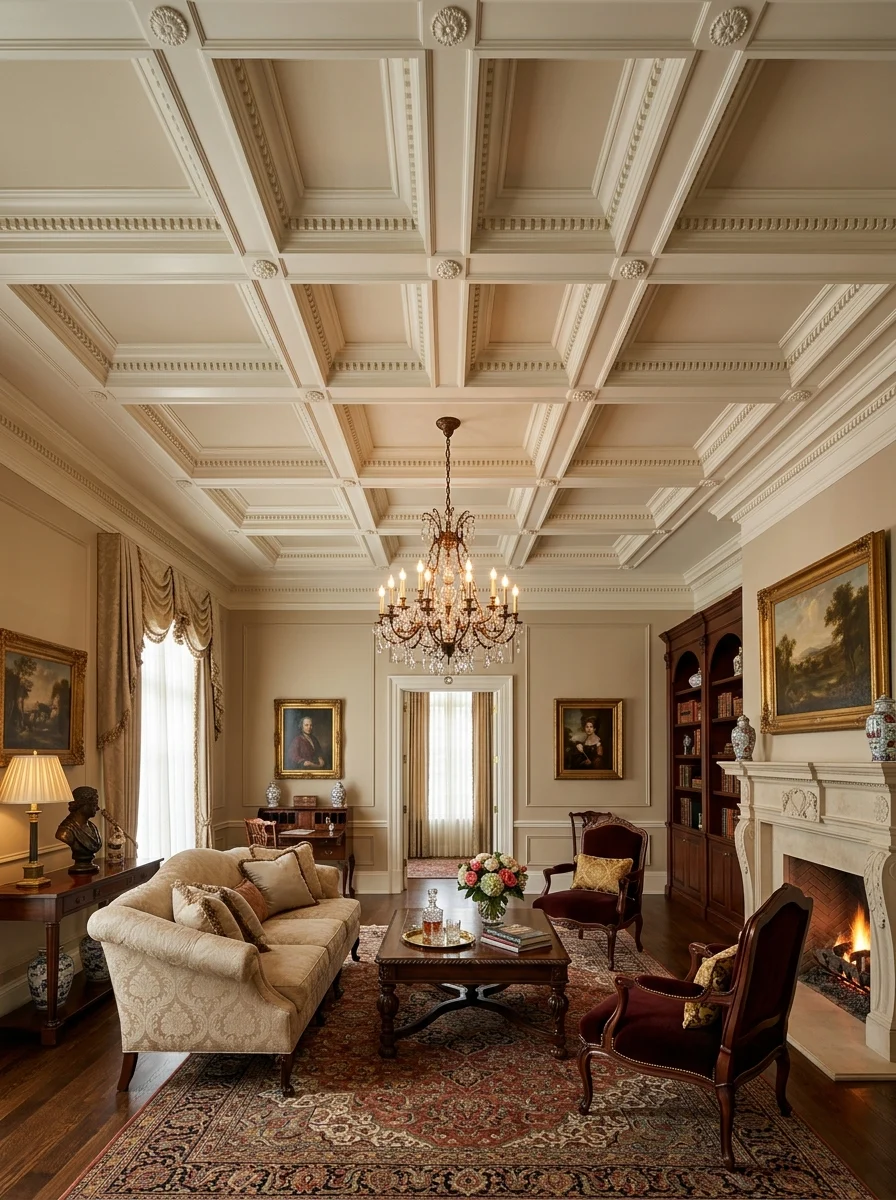
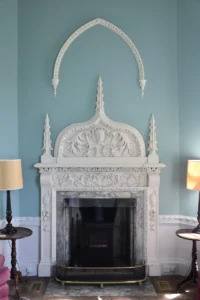
Nothing makes an eclectic mix look intentional like one detail borrowed from a much grander room: a ceiling rose above a modern pendant, picture-frame moulding on one wall, or a deep skirting board painted the same colour as the wall. The contrast between that formality and your relaxed, collected furniture is the whole joke — and it works because the detail is architectural, so it never has to compete with your objects.
Choose the wall or ceiling people see first when they enter, and do only that one. Adhesive moulding strips and ceiling roses are cheap, light and removable with care, which makes this a fair rental experiment too. Paint the detail to match the surface exactly; contrasting paint turns it into a feature wall, which is a different and louder idea. Round out the effect by keeping the styling on that wall restrained, closer to the displays in our floating shelf ideas than to a packed gallery.
How I Keep My Own Mix from Tipping Over
My house rule for buying anything old or odd is the three-question test. Does it share a colour, a material or a shape with something already in the room? Can I say where it will live before I pay for it? And would I still love it if nobody ever asked where it came from? Three yeses and it comes home. It has saved me from some wonderful junk over the years, and the pieces that passed have settled in so well that visitors assume they were always here. That slow, picky collecting is the real engine of this style — far more than any single shopping trip, as the rooms in our apartment decor ideas show at a smaller scale.
Eclectic Home Questions, Answered
What is the difference between eclectic and just mismatched?
A thread. In an eclectic room, the pieces argue but they share something — a colour family, a mix of old and new in every corner, materials that repeat. In a mismatched room, each object is a stranger. If you can name the two or three things your room repeats, you are on the right side of the line. Our wider home interior design ideas walk through building that thread room by room.
How many colours can an eclectic room hold?
More than most styles, but not unlimited. A workable recipe is one base colour for the big pieces, two supporting colours, and one wild card that appears in small doses. When a room starts to feel chaotic, it is usually the wild card that has crept onto too many things.
Where should I start if my rooms are all matching sets?
Break one set first. Move a matching side table to another room, bring in one vintage or handmade piece, and live with the difference for a month. Eclectic rooms grow by swaps, not by binning everything you own and starting again.
Can eclectic work in a small home?
Yes — small rooms suit it, because one or two characterful pieces fill them quickly. Keep the big shapes simple, let smaller objects carry the variety, and be stricter about the doorway test: if you cannot see a home for it from the door, it will crowd a small room fast.