Some rooms are designed more for connection than anything else. You sit down, the lighting feels soft, and somehow everyone stays longer than planned.
That’s really the charm of a good conversation room.
It doesn’t need to be huge or overly styled, just comfortable enough to make people slow down a little.
1. Sunken Seating for a Cozy Feel
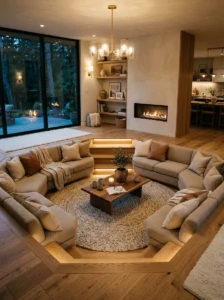
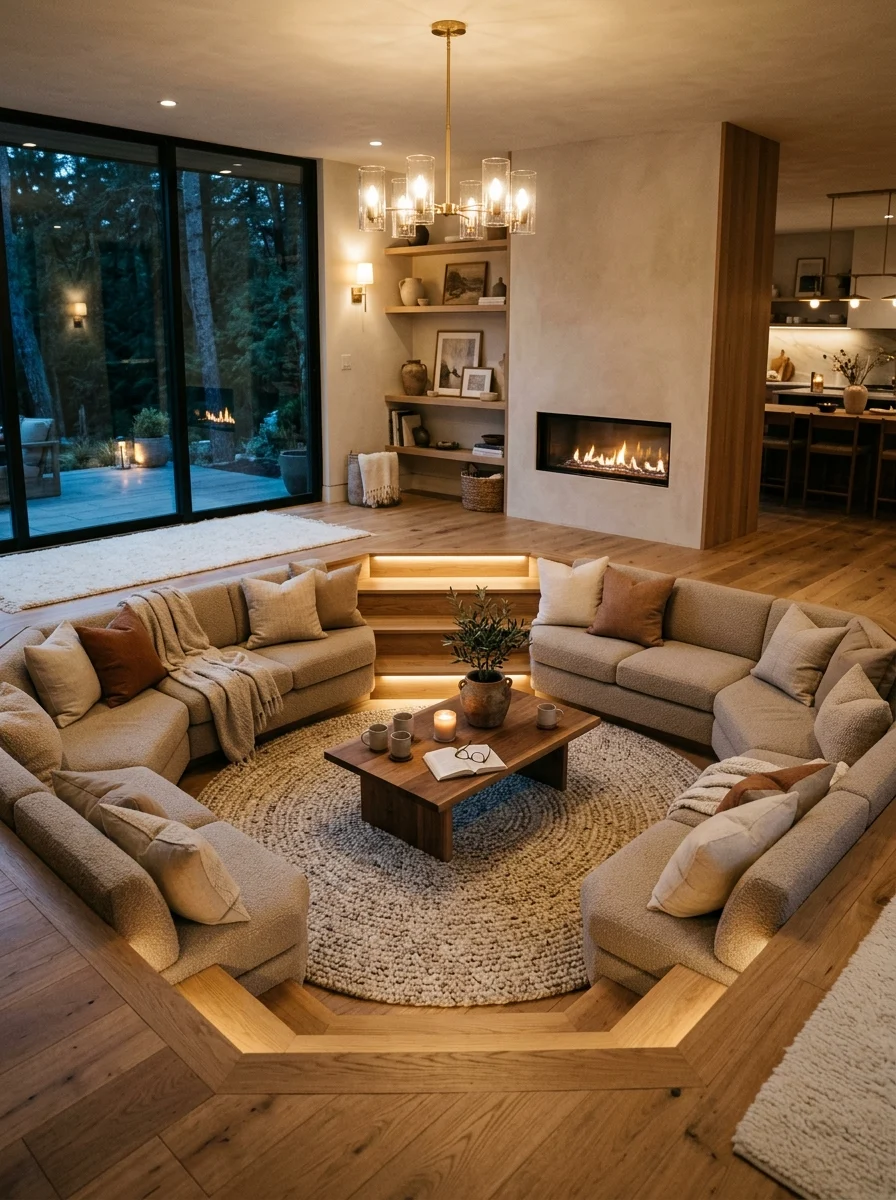
A sunken conversation area instantly creates a more intimate atmosphere. The lowered seating naturally pulls people closer together, which makes the room feel relaxed without trying too hard. Use soft neutral sofas with layered cushions and maybe a textured rug in the center. Warm lighting works especially well here, especially in the evening. Even a small built-in ledge for books or candles adds character. It feels slightly retro, but still modern enough to work beautifully in today’s interiors.
2. Circular Seating Arrangement
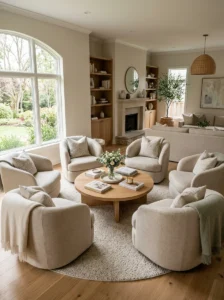
A circular layout changes the energy of a room completely. Instead of everything facing a TV, the seating faces each other, which naturally encourages conversation. Use curved sofas or mix armchairs around a round coffee table. Keep the center open and uncluttered. Soft fabrics and muted tones help the room feel calm instead of formal. It’s simple, but people actually interact more in spaces arranged this way.
3. Warm Lighting with Layered Lamps
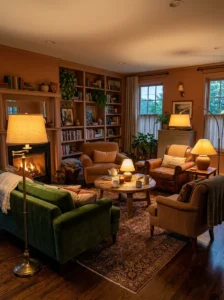
Lighting matters more than people realize in a conversation room. One bright ceiling light can make everything feel stiff. Instead, use layered lighting with floor lamps, table lamps, and warm bulbs. Place lights at different heights around the room so the glow feels softer and more relaxed. A dim corner instantly feels more inviting. And honestly, people tend to stay longer when the room feels comfortable at night.
4. Low Furniture for an Open Atmosphere
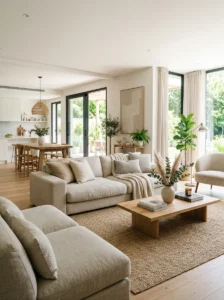
Low-profile sofas and chairs can make a conversation room feel more open without losing comfort. The lower height keeps sightlines clear, so the space feels connected rather than blocked off. Pair light-colored seating with a soft area rug underneath to anchor everything. A simple coffee table in wood or stone works well in the center. The room ends up feeling grounded and easy to move through.
5. Fireplace as the Natural Focal Point
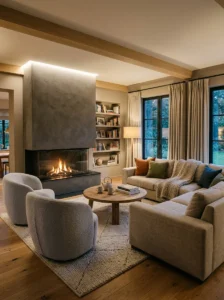
A fireplace gives people something subtle to gather around. Even in a modern room, it adds warmth that feels comforting without needing extra decoration. Arrange seating in a loose semicircle around it rather than lining furniture against walls. Add textured throws or soft cushions nearby. The movement of firelight makes the whole room feel calmer. It becomes less about design and more about how the room feels when you’re actually sitting in it.
6. Soft Neutral Color Palette
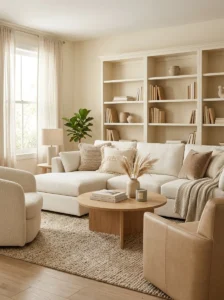
Neutral tones help conversation rooms feel quieter and less distracting. Shades like warm beige, cream, soft taupe, or muted grey work beautifully together. Layer different textures so the room still has depth. Linen curtains, woven rugs, and plush cushions keep it from feeling flat. The simplicity makes the room feel more relaxing overall. And it’s easier to refresh later with smaller decor changes.
7. Built-In Bench Seating
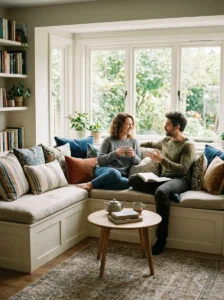
Built-in benches are great for smaller conversation spaces because they maximize seating without adding bulky furniture. Add oversized cushions and layered pillows to soften the look. You can tuck the bench near a window or along a wall to create a cozy corner. It feels casual and welcoming rather than formal. And the extra storage underneath is always useful, even if it’s just for blankets.
8. Mix Vintage and Modern Pieces
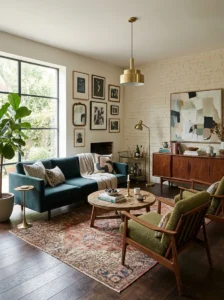
A conversation room feels more personal when everything doesn’t match perfectly. Try pairing a modern sofa with a vintage wood coffee table or older accent chairs. The contrast adds warmth and character without feeling staged. Keep the palette somewhat connected so it still feels balanced. It’s these slightly unexpected combinations that make a room memorable instead of overly polished.
9. Oversized Rug to Define the Space
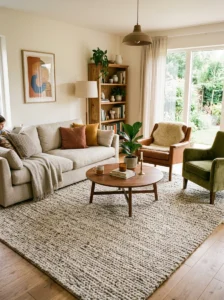
A large rug can quietly pull the entire room together. It helps define the seating area, especially in open-plan homes. Choose something soft underfoot with subtle texture or muted patterns. Make sure all the furniture sits partly on the rug so the arrangement feels connected. It’s one of those details people don’t always notice directly, but the room feels more complete because of it.
10. Window-Focused Seating Area
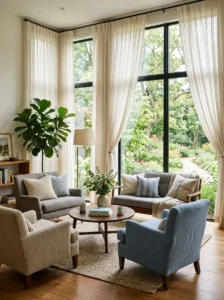
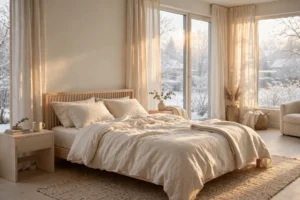
Placing seating near large windows makes a conversation room feel naturally calmer. Daylight softens the space during the day, while evening light creates a cozy mood later on. Use sheer curtains or light fabrics so the room still feels airy. A couple of chairs facing outward slightly can create a relaxed setup that feels less structured. It works especially well in apartments or smaller homes.
11. Textured Fabrics for Warmth
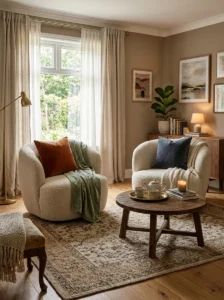
Texture changes the mood of a room quietly. Bouclé chairs, velvet cushions, linen sofas, or chunky knit throws can make the seating feel softer and more inviting. Keep the color palette fairly calm so the textures stand out naturally. It doesn’t need to look perfect. A slightly layered, lived-in feel actually works better in conversation spaces.
12. Minimal Decor with Personal Touches
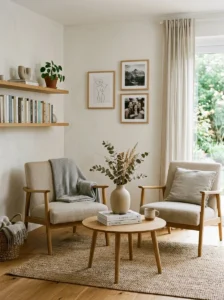
Too much decor can make a room feel busy. Instead, keep accessories simple and meaningful. A stack of books, a ceramic vase, or framed photos can add personality without cluttering the space. Leave empty areas too. The room feels calmer when every surface isn’t filled. It creates a more relaxed atmosphere where people can actually focus on being together.
13. Indoor Plants for a Relaxed Atmosphere
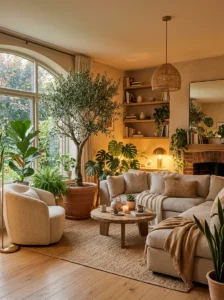
Plants soften conversation rooms almost instantly. A tall olive tree in the corner or smaller plants near shelves bring life into the space without overwhelming it. Natural greenery works especially well with neutral furniture and warm lighting. You don’t need many. Just enough to make the room feel fresh and comfortable. It subtly makes everything feel less formal and more lived in.
14. Measure the Talking Distance, Then Move the Chairs
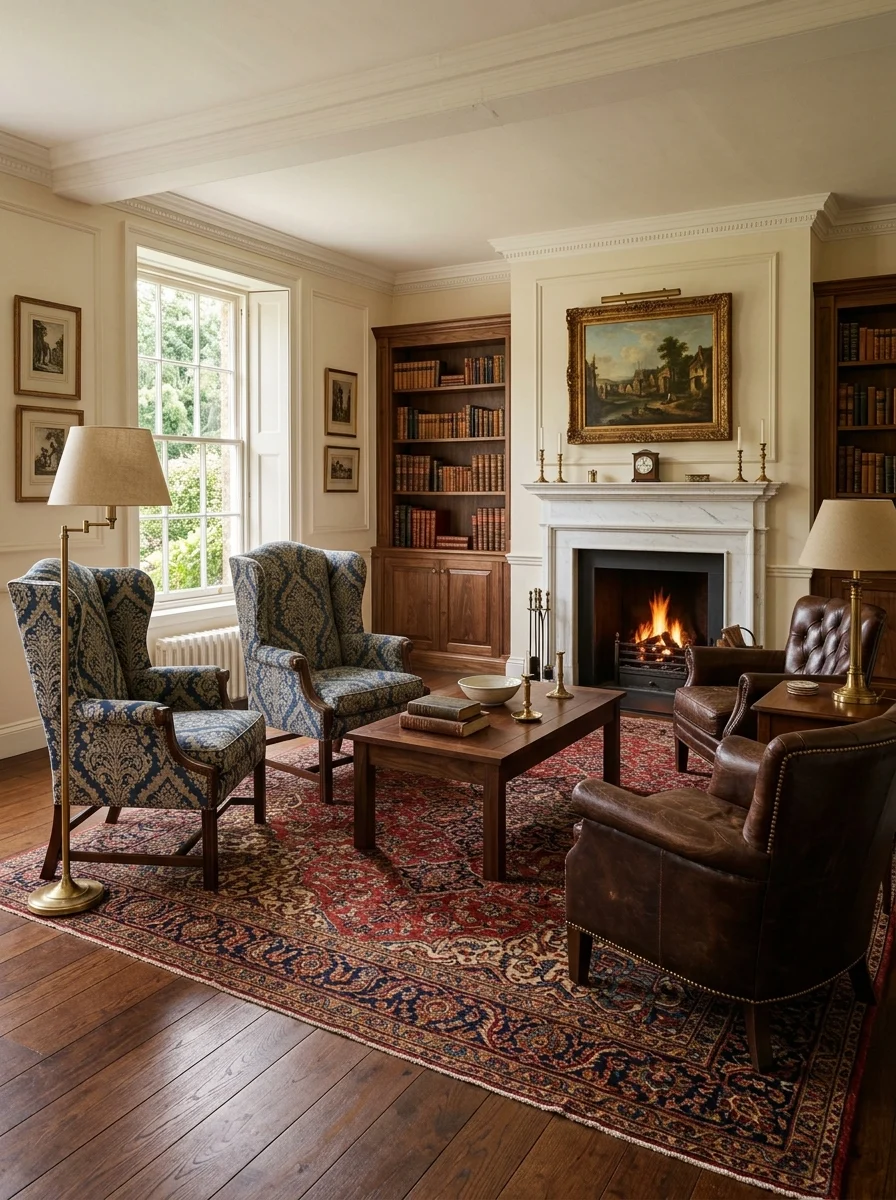
Most conversation rooms fail on one unglamorous detail: the seats are too far apart. Beyond about two metres, people raise their voices, lean forward, and eventually give up and reach for a phone. Between one and a half and two metres, talk stays at its natural volume and nobody has to perform. It is the cheapest idea in this whole list, because it mostly asks you to move furniture you already own.
Start with the two seats used most and pull them towards each other until knees nearly enter the same postcode. Angle them slightly — full face-to-face feels like an interview, while a gentle angle lets eyes rest somewhere between the other person and the room. Then bring the shared surface, the coffee table or stool, inside everyone’s reach. The common mistake is pushing sofas back against the walls out of habit, which turns the middle of the room into a corridor. A floating arrangement with a rug under it, like the ones in our classic living room ideas, keeps the circle close and the walls calm.
15. A Small Drinks Cart So the Host Can Sit Down Too
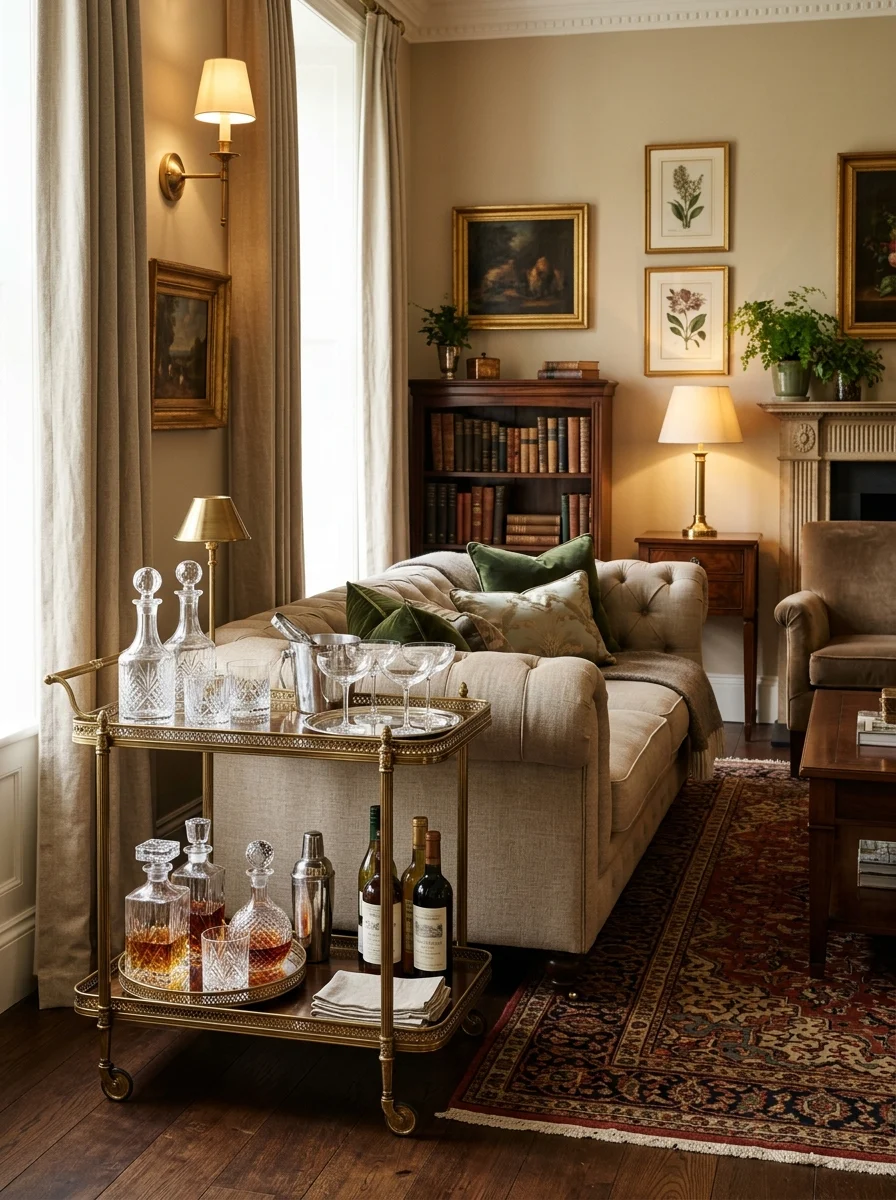
A conversation room breaks every time the host disappears to the kitchen. A compact drinks cart — or a tray on a side table doing the same job — keeps glasses, a jug of water, something fizzy and one bottle within reach of the seating, so topping up takes ten seconds and nobody leaves the circle. Stock it plainly; this is a kindness, not a cocktail performance.
Set the cart at the edge of the seating group, on the side nearest the door, so it can be restocked without crossing the conversation. Keep a small cloth on it for drips and a lined bin within a step for caps and peel. If the room already holds four good chairs, the cart can be tiny — a two-tier trolley under 60 centimetres wide is plenty. And if your seating is still one chair short, the shapes in our accent chair ideas include plenty that pair happily around a low table. Avoid perching the cart in a thoroughfare; spilled drinks end more evenings than politics does.
16. Give the Circle a Centre When There Is No Fireplace
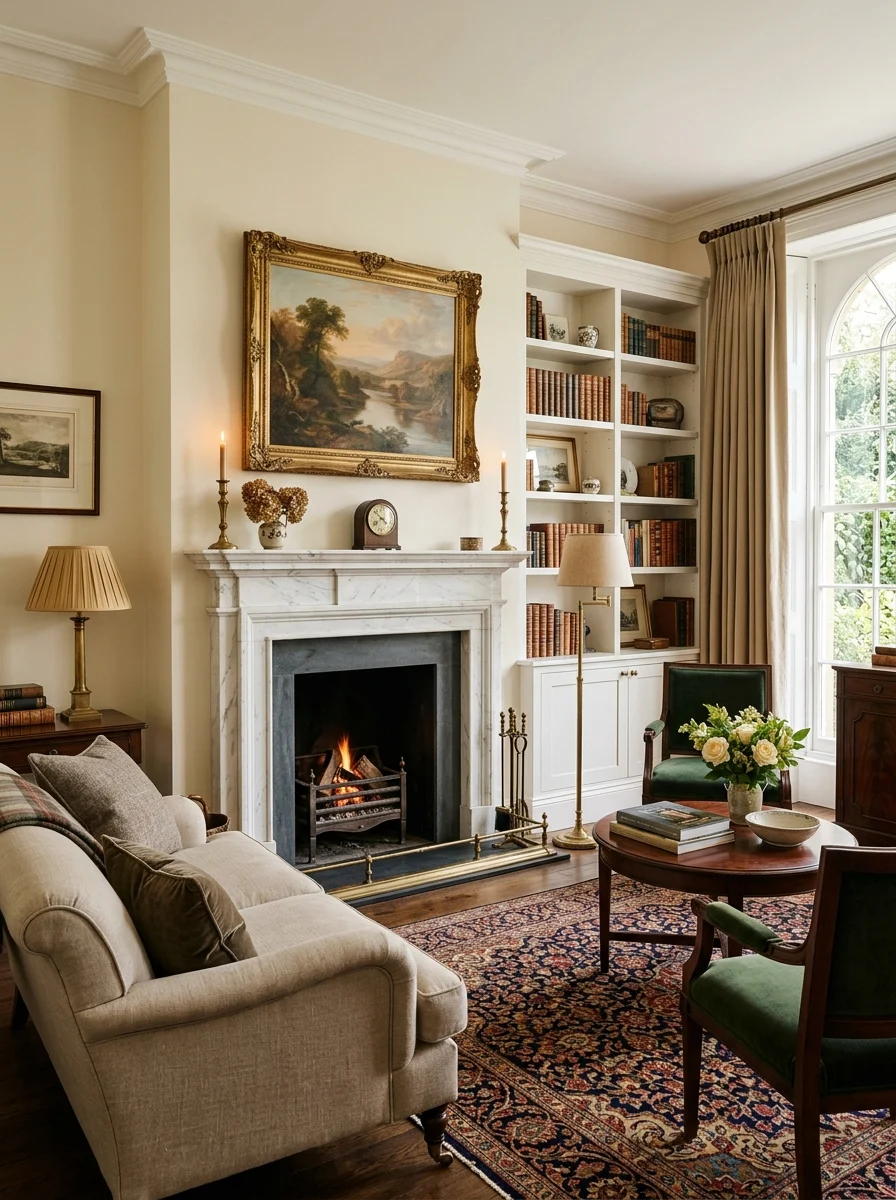
Idea five used the fireplace as the room’s natural magnet. Plenty of homes have no fireplace, and the seating then drifts towards the television by default — exactly what a conversation room is trying to avoid. The fix is to build a low, warm centre instead: a round table or a big tray holding candles at two heights, a small plant, and the books people are actually reading. Eyes need somewhere soft to land mid-sentence, and a gentle centre gives them that.
Keep the centre low — below the sight line between two seated people — so it never becomes a wall to talk over. Real candles in glass holders are fine here if the table is stable and the room is occupied; flameless ones do the visual job in homes with toddlers about. Rotate one object seasonally so the centre stays noticed rather than turning into furniture. Where the room must double for film nights, our TV room design ideas show layouts that swing between screen and conversation without moving everything twice.
What Hosting Taught Me About These Rooms
The evenings that run longest in my experience share one feature: nobody had to get up. Drinks within reach, a throw over the arm of each chair, light low enough that nobody is squinting, and music quieter than the quietest voice. I also learned to sit in every seat before guests arrive. One chair always turns out to face a glare, a cold draught or a view of the kitchen sink, and it takes two minutes to fix once you have sat in it yourself. The rest of the snug, guest-friendly thinking in our cozy room decor ideas follows the same rule: comfort first, looks second, and the looks tend to follow.
Conversation Room Questions, Answered
What is a conversation room, exactly?
A sitting room arranged for talk instead of a screen: seats facing each other at close range, a soft centre, low warm light, and no television setting the agenda. It can be a whole room, or one end of a living room marked out with a rug and two chairs.
How many chairs does it need?
Four seats suit most homes — two pairs, or a small sofa plus two chairs. The count matters less than the distances: everyone should be within about two metres of everyone else, with a surface in reach for a drink. One extra foldaway chair covers bigger gatherings.
Can a conversation room work in a small flat?
Yes, and small flats often do it better, because the distances are naturally right. Two comfortable chairs angled over a small rug, a stool as the shared table, and a lamp behind one chair is a complete version. Skip the sofa if it would push the chairs apart.
What do I do about the television?
Three honest options: keep it in another room, hide it in a cabinet or behind a screen, or angle the seating so the screen is not the default view and let film nights be a deliberate rearrangement. What rarely works is pretending a wall-sized screen facing every seat is not the room’s main event.