When we bought our current house, the combined mudroom and laundry room off the garage was, without a doubt, the most chaotic space in the entire home. Shoes piled up by the door, coats draped over anything within reach, and a washer and dryer crammed into a corner with barely any counter space for folding. Every time I walked through that room, which was constantly since it connected the garage to the kitchen, I felt a small wave of frustration at the mess.
For the first year, I kept telling myself I’d deal with it eventually, focusing instead on the more “visible” rooms of the house that guests would actually see. It wasn’t until I found myself searching for a single missing shoe among a pile of a dozen mismatched pairs one particularly hectic morning that I finally decided enough was enough. That frustration turned into a full weekend project, and later a more involved renovation phase, that transformed our mudroom laundry combo from the most chaotic room in the house into one of the most functional.
Since then, I’ve helped a couple of friends tackle their own mudroom and laundry spaces, and I’ve developed a solid sense of what actually creates lasting organization versus what just looks nice for the first few weeks before falling back into chaos. Here are 17 ideas I’ve personally used, tested, or researched thoroughly enough to recommend.
Why Mudrooms and Laundry Rooms Get So Disorganized So Quickly
These combined spaces tend to become disaster zones faster than almost any other room in the house, largely because they’re high-traffic areas where people are constantly dropping things on their way in or out. In my own case, the lack of designated storage spots meant everything, shoes, bags, laundry, mail, ended up in random piles simply because there was nowhere intentional for any of it to go.
1. Add Individual Cubbies for Each Family Member
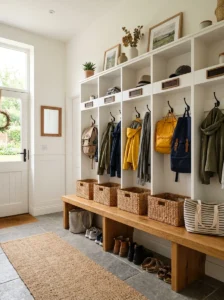
Assigning a specific cubby or hook area to each person in the household dramatically reduces the “everything piled everywhere” problem. We added labeled cubbies for each of our kids, and it’s cut down on the morning chaos of searching for missing items significantly.
2. Install a Built-In Bench With Storage Underneath
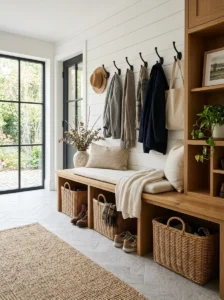
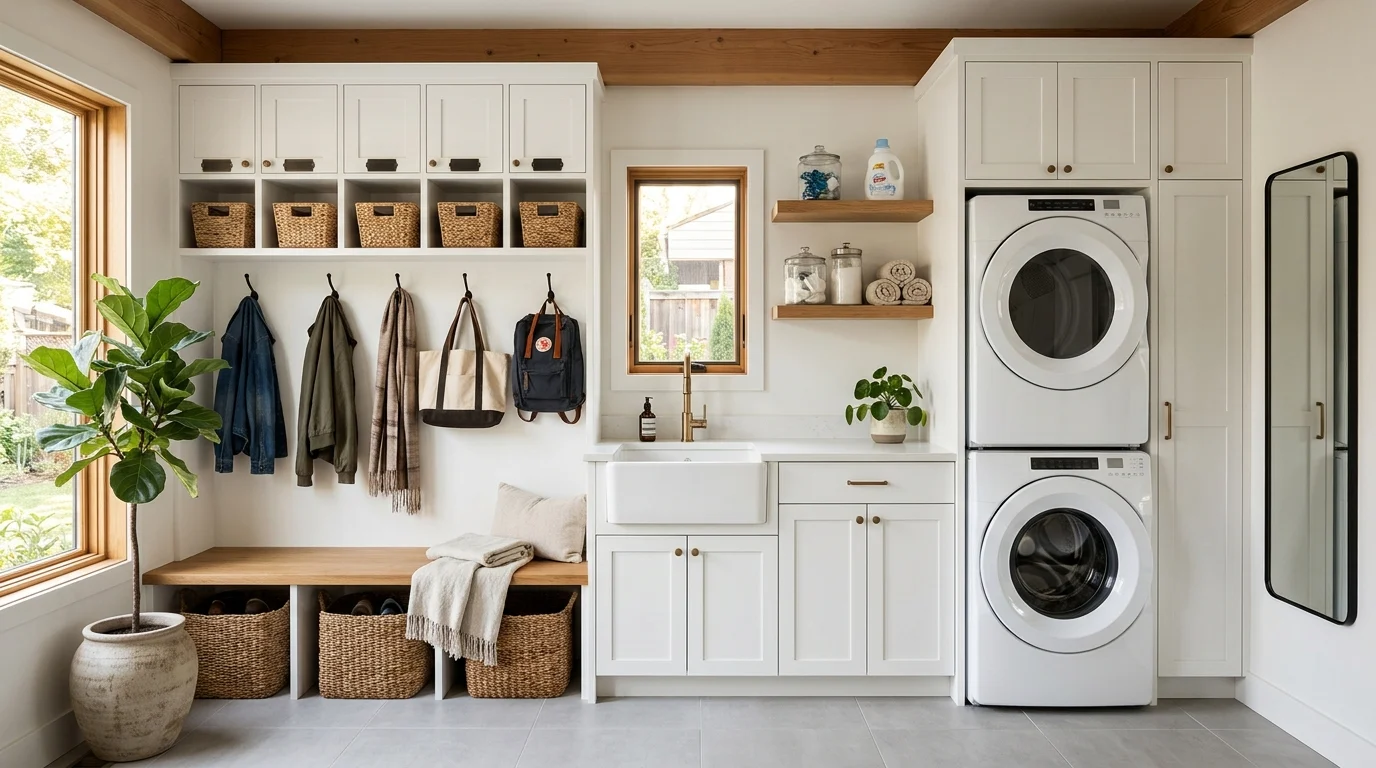
A bench that doubles as seating for putting on shoes and storage underneath for baskets or bins maximizes function in a relatively small footprint. This was one of the first additions we made, and it’s become the most-used piece of furniture in the entire room.
3. Use Labeled Baskets for Loose Items
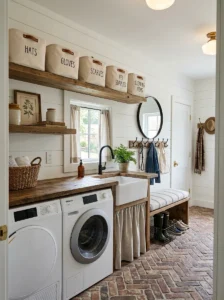
Baskets labeled for specific categories, gloves, hats, dog leashes, keep small items from accumulating into a disorganized pile on open surfaces. I added a set of labeled canvas bins, and it’s genuinely reduced the clutter that used to accumulate on our bench and counters.
4. Add a Fold-Down Counter for Laundry Folding
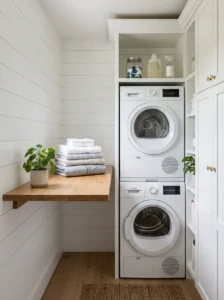
If space is tight, a fold-down counter that tucks away when not in use provides folding space without permanently sacrificing floor area. This solved a problem I hadn’t even fully realized we had, not having a proper folding surface meant clothes often sat in the dryer far longer than they should have.
5. Install Open Shelving Above the Washer and Dryer
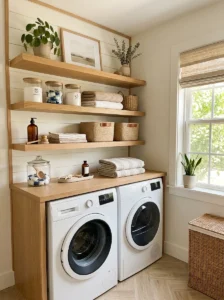
Open shelves above the machines provide storage for detergent, dryer sheets, and other laundry essentials without requiring floor space. We added simple wood shelves, and it’s kept our laundry supplies from cluttering the top of the machines themselves.
6. Use a Rolling Laundry Cart or Sorter
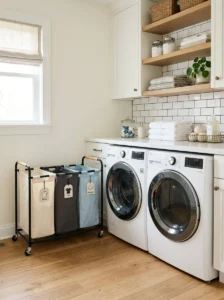
A cart with multiple bins for sorting laundry by color or fabric type streamlines the whole washing process and keeps loose piles from forming on the floor. This was a simple addition that made an outsized difference in how organized our actual laundry routine feels day to day.
7. Add Hooks at Varying Heights for Kids and Adults
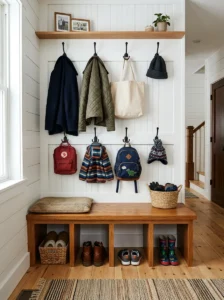
Installing hooks at different heights ensures younger family members can actually reach and use their designated spots rather than dropping items on the floor because the hooks are too high. This was a small adjustment that made our system actually work for our kids rather than just looking organized on paper.
8. Incorporate a Shoe Storage Bench or Rack
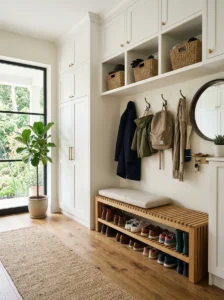
A dedicated shoe rack or storage bench keeps footwear from piling up loosely by the door, which was probably our single biggest clutter issue before the renovation. We added a slatted shoe storage bench, and it’s solved what used to be a daily frustration almost entirely.
9. Add a Message Center or Command Board
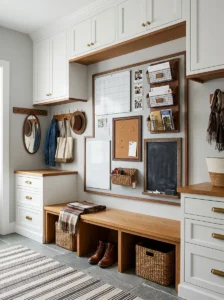
A small bulletin board, chalkboard, or magnetic panel near the entry provides a spot for mail, reminders, and schedules rather than letting papers pile up on counters. We added a simple cork board, and it’s become the family’s default spot for anything that needs to be seen before leaving the house.
10. Use a Utility Sink for Pretreating and Cleanup
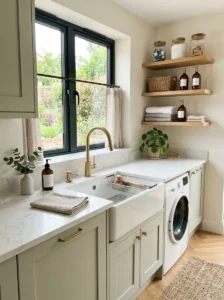
A small utility sink in the laundry area is incredibly useful for pretreating stains, rinsing muddy boots, or handwashing delicate items without using the kitchen sink. This wasn’t part of our original layout, but adding one during our renovation phase turned out to be more useful than I initially expected.
11. Add Stackable Storage Bins for Seasonal Items
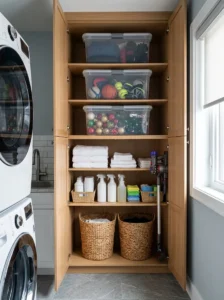
Clear, stackable bins for seasonal gear, winter gloves in summer, summer sports equipment in winter, keep out-of-season items from cluttering the main storage areas. We rotate these bins twice a year, and it’s kept our cubbies from becoming overstuffed with items we aren’t currently using.
12. Install a Drying Rack That Folds Against the Wall
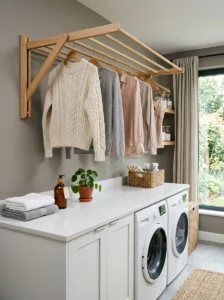
A wall-mounted, foldable drying rack provides space for air-drying delicate items without permanently taking up floor space when not in use. This solved a specific problem for us, having somewhere proper to air-dry certain clothing items, without adding yet another freestanding piece of furniture to an already tight room.
13. Use a Pegboard for Flexible, Adjustable Storage
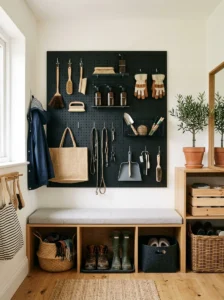
A pegboard wall allows for endlessly adjustable hook and shelf placement, which is particularly useful in a mudroom laundry combo where storage needs might shift over time. I added a small pegboard section near our utility sink, and being able to rearrange the hooks as our needs change has been more useful than a fixed shelving system would have been.
14. Add a Designated Spot for Dog Supplies
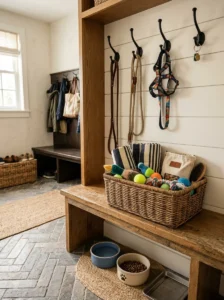
If you have pets, a specific storage spot for leashes, towels, and treats near the door keeps these items from getting mixed in with everyone else’s belongings. We added a small designated bin just for our dog’s things, and it’s eliminated the frantic search for a leash that used to happen almost daily.
15. Incorporate a Small Trash and Recycling Station
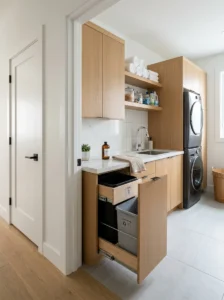
Placing a small trash and recycling bin near the entry catches junk mail and packaging before it makes its way further into the house. This was a simple addition that’s genuinely reduced clutter accumulating on our kitchen counter, since packages now get opened and sorted right at the door.
16. Use Vertical Space With Tall, Narrow Cabinets
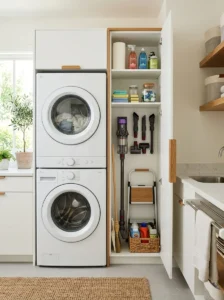
Tall, narrow cabinets utilize vertical wall space efficiently, which matters significantly in mudroom laundry combos that are often tight on square footage. We added one next to our washer and dryer for extra storage, and it’s held cleaning supplies that previously had no proper home.
17. Add a Full-Length Mirror Near the Exit
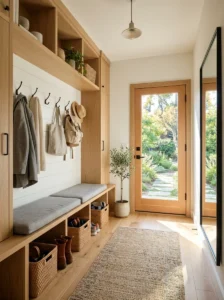
A mirror near the door leading outside allows for a quick check before heading out, a small but genuinely useful addition that keeps this multi-purpose area feeling complete. We added a simple full-length mirror, and it’s a detail that gets used every single day without fail.
Mistakes We Made Along the Way
- Waiting far too long to address the space – We lived with the chaos for almost a year before finally tackling the renovation, and I genuinely wish we’d prioritized it sooner given how much daily frustration it caused.
- Underestimating how much folding space we actually needed – Our first plan didn’t include a proper folding counter, which we quickly realized was a significant oversight.
- Not accounting for our kids’ height when installing hooks – Our original hook placement was too high for our younger children to use independently, requiring an adjustment.
- Overlooking a dedicated spot for pet supplies – This seems like a small detail, but it solved a surprisingly persistent daily frustration once addressed.
Frequently Asked Questions
How much space do I need for a functional mudroom laundry combo? While larger spaces certainly offer more flexibility, even a relatively small area (100 square feet or less) can function well with the right combination of cubbies, hooks, and vertical storage solutions.
What’s the most important feature for organizing a mudroom laundry room? Assigning specific, labeled spots for each category of item, whether by family member or item type, tends to have the biggest impact on maintaining long-term organization compared to any single furniture piece.
Do I need a utility sink in my laundry room? It’s not strictly necessary, but a utility sink adds significant convenience for pretreating stains, cleaning muddy boots, or handwashing items without using your kitchen sink.
How can I organize a small mudroom without built-in storage? Freestanding options like a shoe rack, wall-mounted hooks, and stackable labeled bins can achieve similar organizational benefits to built-in features, often at a lower cost and without requiring construction.
Final Thoughts
Looking back at that chaotic, shoe-pile-covered mudroom we started with, it’s genuinely satisfying to walk through that same space now and see everything in its designated spot. A well-organized mudroom laundry room doesn’t require an enormous budget or extensive renovation, sometimes it just takes thoughtful, intentional storage solutions, labeled bins, individual cubbies, proper folding space, to transform one of the most chaotic areas of the home into one of its most functional.