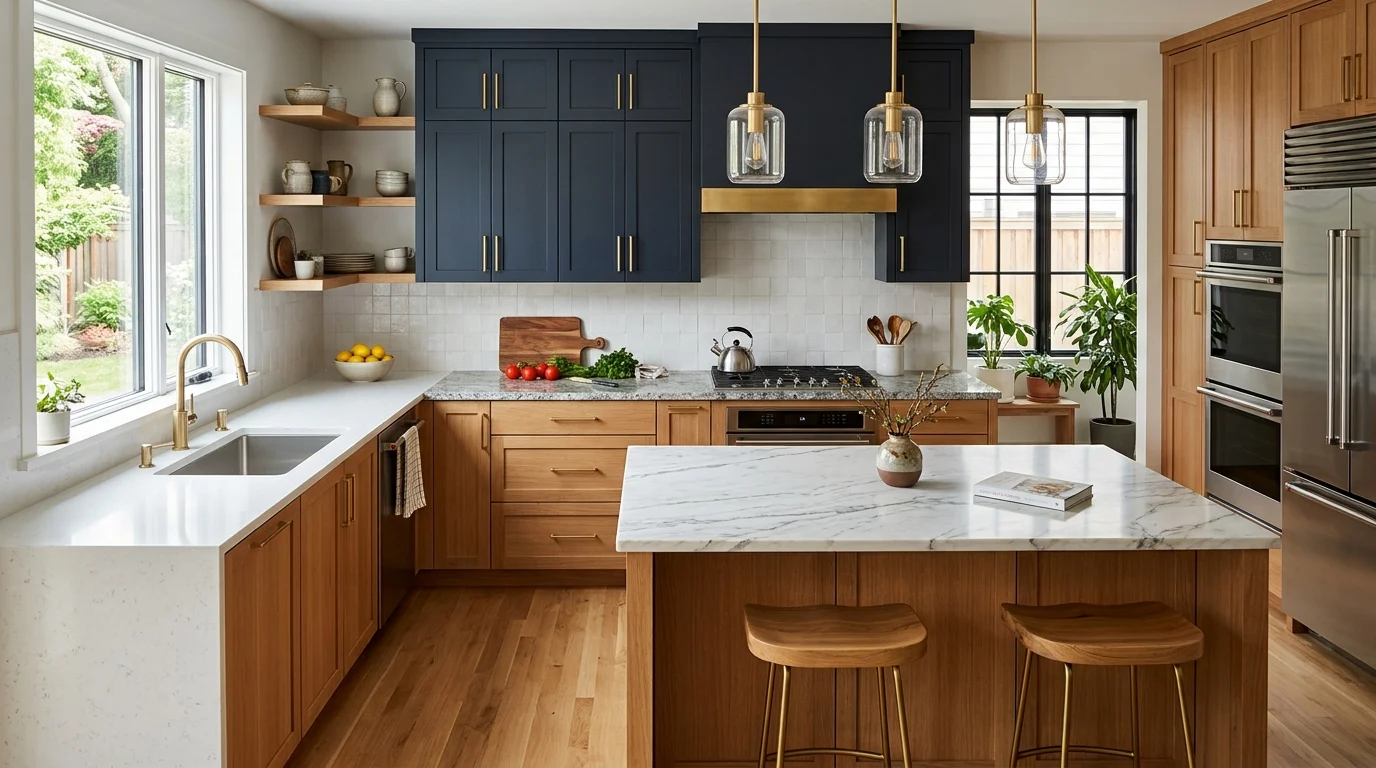
Two of my closest friends happened to renovate their kitchens within about six months of each other last year, and the contrast between their two projects taught me more about countertop options than any single renovation ever could have on its own. One friend had a genuinely generous budget after a big work bonus and wanted to go all out, while the other was working with a strict, modest budget after buying her first fixer-upper and needed every single dollar to count. I ended up helping both of them research and choose materials, and watching these two very different journeys unfold side by side gave me a real, practical sense of what actually works at every different price point.
What surprised me most is that the friend with the tighter budget ended up with a kitchen that looks just as intentional and beautiful as the one with the bigger budget, just through smarter, more strategic material choices rather than simply spending less across the board. Here are 24 kitchen countertop ideas, pulled from both of their actual finished kitchens and a couple of other projects since, covering genuinely every style and budget level.
1. Laminate for Genuine Budget-Friendly Style
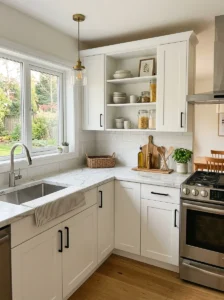
My budget-conscious friend chose a high-quality laminate for her entire kitchen, and I’ll admit I was skeptical going in, but modern laminate options have genuinely improved enormously from what either of us remembered from childhood homes. Hers mimics a soft, veined marble convincingly enough that most visitors assume it’s the real thing.
She specifically avoided the cheapest laminate tier, since the mid-range options offer considerably better texture and a more realistic pattern print. I’d recommend this route for anyone genuinely prioritizing budget, laminate has come a long way and can look surprisingly sophisticated when chosen carefully.
2. Butcher Block for Warmth on a Modest Budget
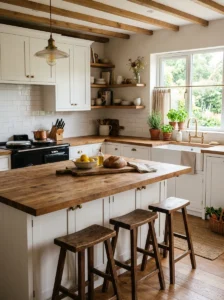
For her kitchen island specifically, my budget-friend chose a simple butcher block top, considerably more affordable than stone while adding genuine warmth and character that laminate alone couldn’t achieve throughout that one focal area.
She’s kept up with regular oiling, and two years in, it still looks warm and lovely despite daily use. I’d recommend this material specifically for an island or a smaller section of counter if your full budget can’t stretch to cover your entire kitchen in a pricier material.
3. Quartz for a Reliable Mid-Range Investment
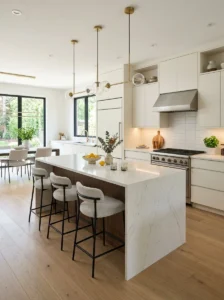
My other friend, with the bigger budget, ultimately chose quartz throughout her whole kitchen, and it’s become the material I recommend most often to people asking where to invest if they want something durable, low-maintenance, and genuinely beautiful without going fully into premium natural stone territory.
Quartz offers enormous pattern variety these days, from clean, minimal solids to convincing marble-look veining, and requires none of natural stone’s sealing maintenance. I’d recommend this as the sweet spot for anyone with a moderate to generous budget wanting real longevity.
4. Genuine Marble for Ultimate Luxury
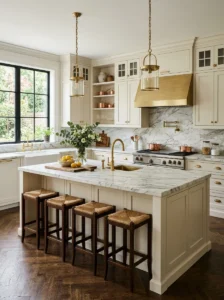
For her kitchen island specifically, my bigger-budget friend splurged on genuine Carrara marble, and there’s simply no substitute for the real thing’s specific depth and natural veining variation, no manufactured alternative quite replicates it.
She accepted the tradeoff knowingly, marble requires real care and will develop some character marks over time, but for her, that living, evolving surface was part of the appeal rather than a downside. I’d recommend genuine marble only for those who’ve made peace with this maintenance reality.
5. Concrete for Bold, Industrial Character
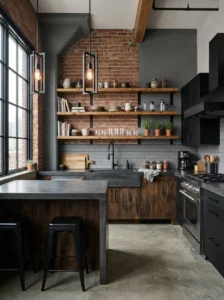
A friend pursuing a genuinely industrial-leaning kitchen chose poured concrete countertops, custom-tinted to a soft charcoal, delivering a look no other material quite achieves, raw, substantial, genuinely one-of-a-kind since each pour varies slightly.
This option requires a specialized installer and a real budget commitment, but for anyone chasing this specific aesthetic direction, there’s genuinely no convincing substitute. I’d recommend researching local concrete countertop specialists carefully, quality varies enormously between installers.
6. Recycled Glass for an Eco-Conscious Statement
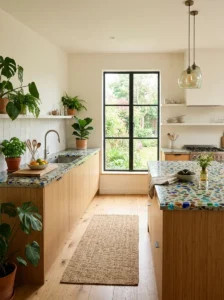
Another friend chose countertops made from recycled glass embedded in resin, delivering genuine sparkle and color variation while supporting a more sustainable material choice than quarried stone.
The look is distinctive, closer to a piece of art than a traditional countertop, and I’d recommend this option specifically for anyone wanting genuine environmental consciousness alongside a striking, conversation-starting visual result.
7. Soapstone for Understated, Aging Elegance
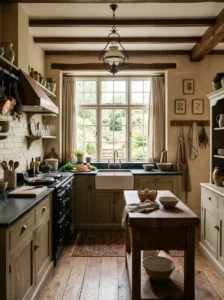
A friend renovating an older farmhouse chose soapstone specifically for its historical authenticity, a material genuinely used in kitchens for centuries, developing a soft, dark patina over time that many people find more beautiful with age rather than less.
Unlike granite or quartz, soapstone is non-porous and heat-resistant without sealing, though it does scratch more easily. I’d recommend this material specifically for anyone drawn to that gradually darkening, storied patina over decades of use.
8. Granite for Timeless, Durable Beauty
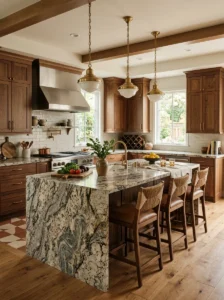
My bigger-budget friend actually considered granite before ultimately choosing quartz, and it remains a genuinely excellent choice for anyone wanting natural stone’s authentic variation with somewhat better scratch and heat resistance than marble specifically offers.
Granite requires periodic resealing, generally once a year, but otherwise holds up beautifully to genuine daily kitchen use. I’d recommend this material for anyone wanting real natural stone without marble’s higher maintenance demands.
9. Tile Countertops for Maximum Budget Flexibility
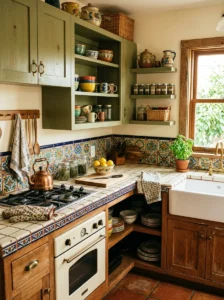
My budget-conscious friend’s mother actually has tiled countertops in her own decades-old kitchen, and while less common in newer renovations, ceramic tile remains one of the most affordable options available, with genuinely endless pattern and color choices.
The tradeoff is grout lines requiring regular cleaning and occasional resealing, but for anyone working with a genuinely minimal budget, I’d recommend this as a viable, often overlooked option worth reconsidering.
10. Stainless Steel for a Professional Kitchen Look
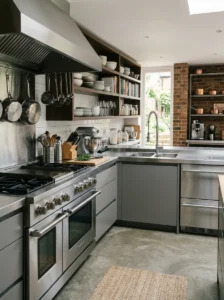
A friend who cooks seriously and wanted a genuinely professional-feeling kitchen chose stainless steel countertops, the same material found in most commercial kitchens, delivering unmatched heat and stain resistance for anyone doing heavy daily cooking.
The tradeoff is visible scratches over time and a distinctly industrial look not everyone loves aesthetically. I’d recommend this specifically for genuinely serious home cooks prioritizing function over a softer, more traditional visual style.
11. Porcelain Slab for Modern Durability
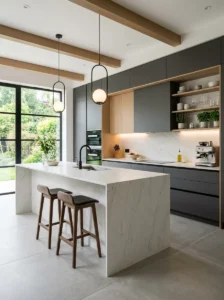
My bigger-budget friend’s contractor recommended porcelain slab as an alternative to quartz, and after researching it together, I’ve become genuinely enthusiastic about this material, extremely durable, heat-resistant, and available in convincing stone-look patterns.
It’s a relatively newer option in residential kitchens but has a long track record in commercial and outdoor applications. I’d recommend researching this material specifically if you want quartz’s low maintenance with even better heat resistance.
12. Butcher Block Paired With Stone for Best of Both
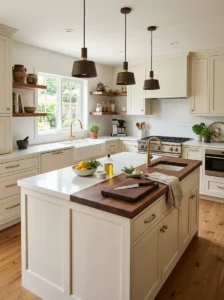
Rather than choosing just one material, my bigger-budget friend used quartz throughout most of her kitchen but added a dedicated butcher block section specifically for food prep, giving her genuine cutting-friendly surface alongside her more durable, stain-resistant primary counters.
This mixed-material approach lets you enjoy each material’s specific strengths in the right location, and I’d recommend this strategy for anyone with the budget flexibility to incorporate more than one countertop material thoughtfully.
13. Laminate With a Wood-Look Finish for Warmth on a Budget
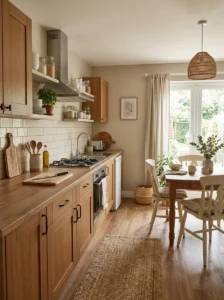
Beyond her main laminate choice, my budget-friend found a specific laminate option printed to mimic wood grain rather than stone, giving her a warmer, more organic feeling section near her breakfast nook for genuinely minimal additional cost.
This kind of varied laminate finish adds visual interest without requiring a full material upgrade, and I’d recommend exploring your laminate options beyond just stone-look patterns, since wood-look versions have also improved enormously in recent years.
14. Engineered Quartzite for a Natural Stone Alternative
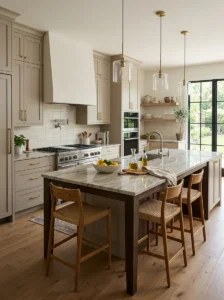
A friend torn between quartz and genuine marble discovered engineered quartzite, a material offering natural stone’s authentic mineral composition with somewhat better consistency and durability than pure marble provides.
This is a genuinely underexplored middle-ground option, and I’d recommend researching it specifically if you’re drawn to natural stone’s authenticity but want something slightly more forgiving for daily family kitchen use.
15. Butcher Block With a Waterproof Sealant for Sink Areas
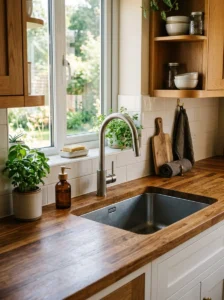
For anyone drawn to butcher block but worried about water damage near a sink specifically, a proper waterproof sealant application extends this material’s practical use into areas typically reserved for more water-resistant options.
My budget-friend used this exact approach for a small section near her sink, and two years later it’s held up beautifully with consistent reapplication every several months. I’d recommend this specifically for anyone wanting butcher block’s warmth without sacrificing sink-area practicality.
16. Terrazzo for Retro-Modern Character
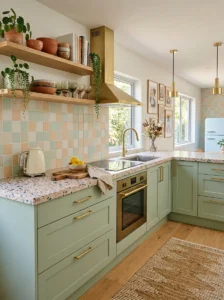
A friend pursuing a genuinely distinctive, slightly retro aesthetic chose terrazzo countertops, small chips of stone or glass embedded in a concrete or resin base, delivering a speckled, artistic look that’s become genuinely trendy again in recent years.
This material offers real durability alongside its distinctive visual character, and I’d recommend it specifically for anyone wanting something that feels both nostalgic and genuinely current simultaneously.
17. Solid Surface Material for Seamless, Low-Maintenance Style
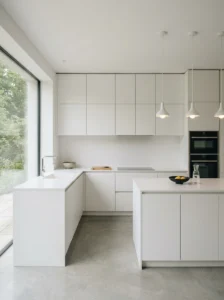
A friend chose a solid surface acrylic-based material, offering genuinely seamless installation with no visible seams even across larger counter runs, plus easy repair if scratched since the material can be lightly sanded.
This option sits in a similar price range to quartz but offers a different aesthetic and repair advantage. I’d recommend researching this material specifically if seamless visual continuity matters enormously to your kitchen’s overall design.
18. Reclaimed Wood for Genuine Character and Sustainability
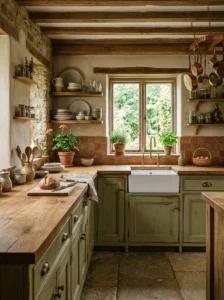
Rather than new butcher block, a friend sourced reclaimed wood specifically for her countertops, salvaged from an old barn, delivering genuine history and character no new material could replicate, plus a more sustainable sourcing story.
This option requires careful sourcing and proper treatment before installation, but for anyone drawn to authentic, storied materials, I’d recommend seeking out a reputable reclaimed wood specialist specifically for this kind of project.
19. Budget-Friendly Quartz Remnants for Smaller Kitchens
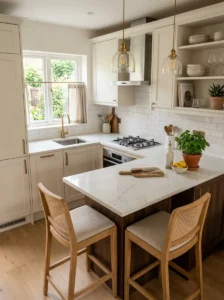
For smaller kitchens specifically, my budget-conscious friend discovered that many stone fabricators sell remnant pieces, leftover quartz slabs too small for larger projects, at genuinely significant discounts compared to full-slab pricing.
This strategy let her access genuine quartz at a considerably lower cost than her kitchen’s full square footage would normally require. I’d recommend calling local fabricators directly and asking about remnant inventory if your kitchen is on the smaller side.
20. Honed Finish for a Softer, Matte Look
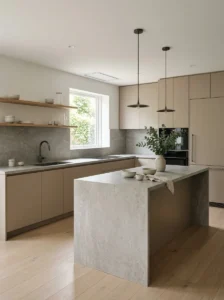
Rather than the glossy, polished finish most people picture with granite or marble, both of my friends’ contractors mentioned honed finishes specifically, a matte alternative that shows fewer fingerprints and water spots while offering a softer, more contemporary visual quality.
I’d recommend considering this finish option regardless of which specific stone material you choose, since it genuinely changes the material’s whole character and practical daily maintenance.
21. Mixing Countertop Heights for Function and Style
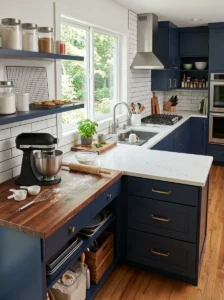
My bigger-budget friend incorporated a slightly lower counter section specifically for baking, matching professional pastry station heights, alongside her standard-height counters elsewhere throughout the kitchen.
This kind of functional height variation adds genuine practical value beyond pure aesthetics, and I’d recommend considering this approach if you have a specific, regular kitchen activity that might benefit from a dedicated, purpose-built counter height.
22. Budget-Friendly Painted Countertop Kits for Existing Surfaces
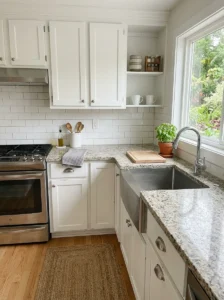
For anyone not ready for a full countertop replacement, specialized countertop painting and resurfacing kits offer a genuinely low-cost way to refresh an existing, dated surface without the expense of full removal and replacement.
A friend used this approach temporarily while saving for a full renovation, and while not a permanent solution, it bought her a couple of years of a considerably more attractive kitchen at a fraction of full replacement cost.
23. Waterfall Edge for a Dramatic Island Statement
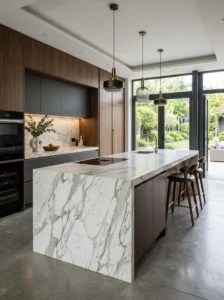
My bigger-budget friend chose a waterfall edge for her island specifically, where the countertop material continues down the sides to the floor, creating a genuinely striking, architectural statement that standard counter edges simply don’t achieve.
This detail adds real cost given the additional material and precise installation required, but the visual payoff is considerable. I’d recommend this specifically if your island already serves as your kitchen’s main focal point.
24. Choose Based on Your Actual Daily Habits, Not Just Trends
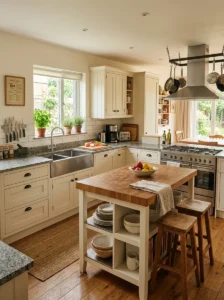
The single biggest lesson from watching both of these very different renovations unfold is that the most successful countertop choice always came down to genuine daily habits, how each friend actually cooks, entertains, and uses her kitchen, rather than purely chasing whatever material was currently trending.
My budget-friend’s laminate suits her genuinely casual, low-fuss cooking style perfectly, while my other friend’s marble island suits her more serious baking hobby and love of natural stone’s authentic character. Neither choice is objectively better, they’re simply right for each specific life and budget.
My honest advice, whatever your actual budget, choose the material that genuinely fits how you live and cook, not just what looks most impressive in photos.
Frequently Asked Questions
What’s the most budget-friendly countertop material that still looks good? High-quality laminate has improved enormously and can convincingly mimic stone or wood at a fraction of the cost, making it a genuinely smart choice for tight budgets.
Is quartz or granite the better investment? Both offer excellent durability, quartz requires no sealing and offers more consistent patterning, while granite provides authentic natural stone variation but needs periodic resealing.
Can I mix different countertop materials in the same kitchen? Yes, many successful kitchens use one primary material with a secondary material, like butcher block, in a specific functional area, letting you enjoy each material’s particular strengths.
How do I choose between a glossy and matte countertop finish? Matte or honed finishes show fewer fingerprints and water spots and offer a more contemporary look, while glossy finishes provide more dramatic shine and depth, the choice comes down to personal style preference.
Final Thoughts
Watching my two friends navigate such different budgets toward equally beautiful, equally “them” finished kitchens taught me that genuinely great countertop choices come from understanding your own specific needs, habits, and budget honestly, rather than chasing whatever material feels most impressive on paper. Whatever your own budget looks like, my honest advice is to research thoroughly, ask contractors about lesser-known options like remnants or engineered alternatives, and trust that the right choice for your actual life will serve you just as beautifully as any premium material would.