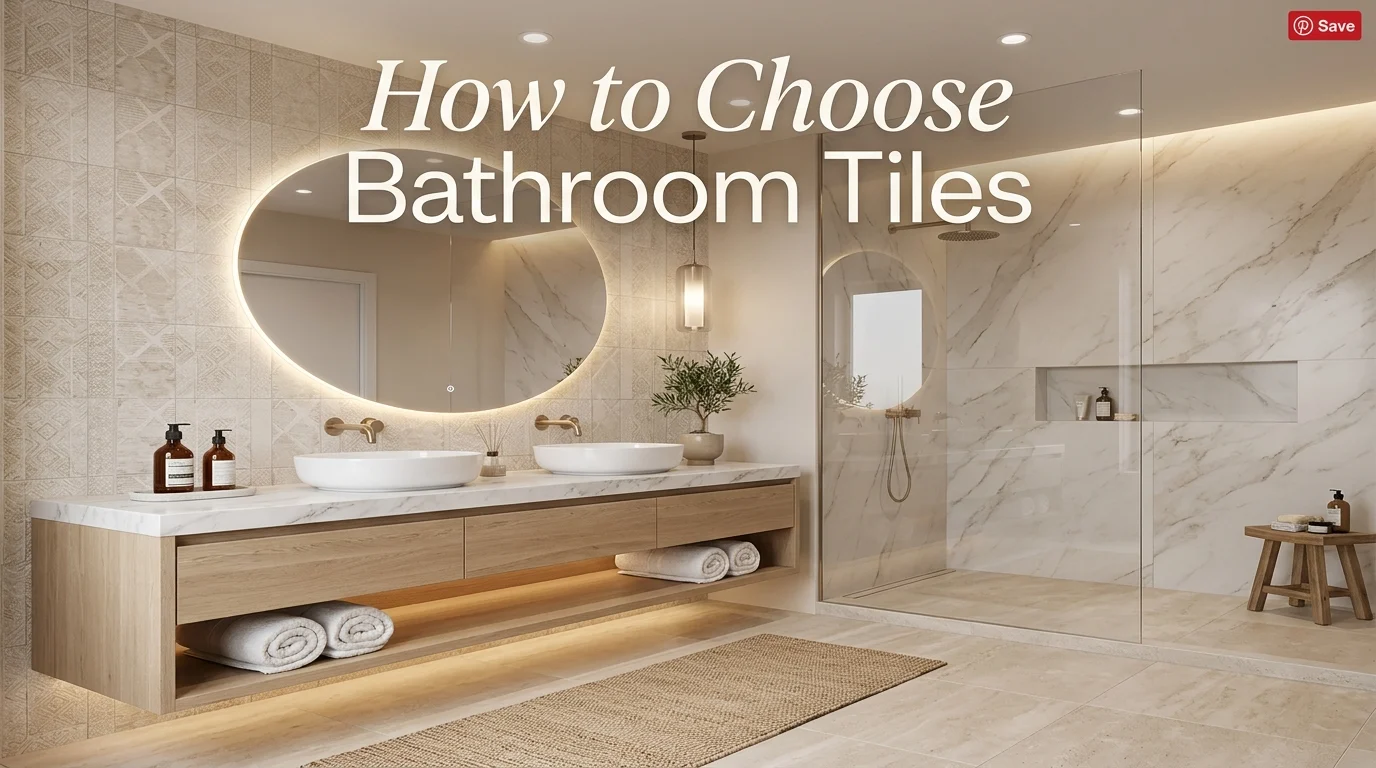
Choosing bathroom tiles can feel overwhelming when you first start planning a bathroom renovation. There are endless options in color, texture, material, size, finish, and layout, which makes it difficult to know what actually works best for your space. Many homeowners focus only on appearance at first, but the right bathroom tile should also be practical, durable, easy to maintain, and suitable for moisture-heavy environments.
The good news is that you don’t need to be an interior designer to make smart tile decisions. Once you understand the basics of bathroom tile design, the process becomes much easier and far less stressful. Things like room size, lighting, maintenance, budget, and overall bathroom style all play an important role in choosing the right tiles.
Bathroom tiles also have a huge impact on how the room feels. Light colors can make small bathrooms appear larger, textured tiles can improve safety, and large-format tiles can create a cleaner and more luxurious look. The key is balancing style with functionality so the bathroom not only looks beautiful but also works well for everyday life.
This beginner’s guide will help you understand the most important things to consider before choosing bathroom tiles so you can create a space that feels stylish, timeless, and practical.
Understand the Different Types of Bathroom Tiles
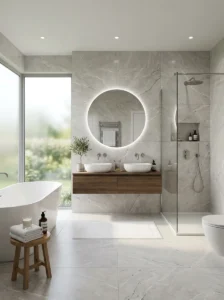
Before choosing colors or patterns, it’s important to understand the main types of bathroom tiles available. Different materials offer different benefits depending on where the tiles will be installed and how much moisture or foot traffic the area receives.
Porcelain tiles are one of the most popular choices for bathrooms because they are durable, water-resistant, and easy to maintain. They work well for both floors and walls and are available in many styles, including marble-look, stone-look, and wood-look finishes.
Ceramic tiles are usually more affordable and lighter than porcelain. They work especially well on walls and low-traffic bathroom areas. While ceramic is still durable, porcelain is generally better for floors because it handles moisture and wear more effectively.
Natural stone tiles like marble, travertine, or slate create a luxurious and timeless appearance, but they require more maintenance and sealing to protect against moisture and stains.
Glass tiles are commonly used for accent walls or shower niches because they reflect light beautifully and add brightness to small bathrooms. However, they are usually more expensive and not ideal for flooring.
Understanding how each material performs helps you make smarter decisions based on your bathroom’s needs rather than choosing tiles only because they look attractive in photos.
Choose Tile Sizes Based on Bathroom Size
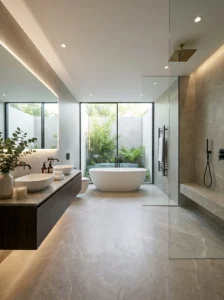
Tile size has a surprisingly large impact on how spacious and balanced a bathroom feels. Many beginners assume small bathrooms should always use small tiles, but that’s not always true. In fact, large-format tiles often make compact bathrooms feel bigger because they create fewer grout lines and less visual clutter.
Large tiles help create a cleaner and more seamless appearance, which makes the room feel calmer and more open. They are especially effective in modern bathrooms where simplicity and minimalism are important.
Smaller mosaic tiles still have their place, especially in shower floors where extra grout provides slip resistance. Mosaic tiles are also commonly used for decorative accents, feature walls, or niches.
The key is balancing practicality with visual flow. Using too many small busy patterns can make bathrooms feel crowded, while oversized tiles in awkward layouts may require excessive cutting.
For beginners, medium-to-large neutral tiles are usually the safest and most timeless option because they work well in almost any bathroom style.
The shape of the room also matters. Vertical tile layouts can make ceilings appear taller, while horizontal patterns help narrow bathrooms feel wider.
Tile size may seem like a small detail, but it plays a major role in how expensive, modern, and spacious the bathroom ultimately feels.
Think Carefully About Tile Color
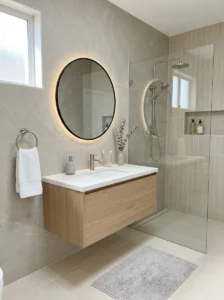
Tile color affects everything from brightness and mood to how large the bathroom appears. Lighter tiles are often recommended for small bathrooms because they reflect more light and create a more open atmosphere. Shades like white, beige, light gray, warm taupe, and soft sand remain popular because they feel timeless and calming.
Dark tiles can also look beautiful and dramatic, but they work best when balanced with good lighting and lighter accents. Without proper balance, dark bathrooms can sometimes feel heavy or smaller than they actually are.
Neutral colors are generally the safest long-term choice because trends change quickly. Bold colors and trendy patterns may look exciting initially, but timeless palettes often age more gracefully and are easier to style over time.
Another important factor is grout color. Matching grout creates a cleaner and more seamless appearance, while contrasting grout highlights tile shapes and patterns more dramatically.
Many luxury bathrooms use layered neutral tones instead of relying on strong colors. This approach creates depth and texture while still maintaining a calm and elegant atmosphere.
The best tile colors are the ones that support your overall bathroom style while still feeling practical and comfortable for everyday use.
Choose the Right Finish for Safety and Style
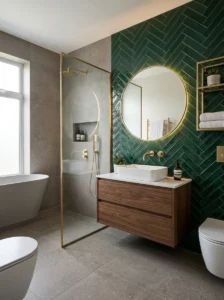
Tile finish is just as important as color or material because it affects both appearance and functionality. Glossy tiles reflect light beautifully and can make bathrooms feel brighter, but they may become slippery when used on floors.
Matte finishes are generally safer for flooring because they offer better grip and create a softer, more modern appearance. Many contemporary bathrooms now use matte tiles because they feel natural, understated, and easier to maintain.
Polished finishes work especially well on walls where extra shine can help reflect light and create a more luxurious atmosphere. Matte floor tiles paired with glossy wall tiles often create a balanced and practical combination.
Textured tiles are another popular option, especially for shower floors and wet areas where slip resistance is important.
When choosing finishes, think about:
- Cleaning requirements
- Moisture exposure
- Safety
- Lighting
- Overall bathroom style
Many beginners focus only on appearance and forget to consider daily practicality. A beautiful tile that constantly shows water spots or becomes slippery may not work well long term.
The best bathroom tile choices balance comfort, maintenance, and style equally.
Use Tile Patterns to Add Visual Interest
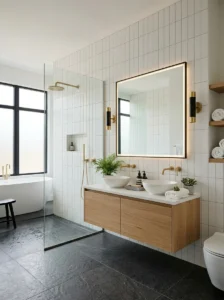
Tile layout patterns can completely change the look of a bathroom even when using simple affordable tiles. Layout decisions often have just as much impact as the tile itself.
Classic subway tiles become far more modern when installed vertically or in a herringbone pattern. Large-format tiles stacked evenly create a clean contemporary look, while offset patterns feel more traditional.
Popular tile layouts include:
- Herringbone
- Vertical stack
- Brick pattern
- Chevron
- Grid layout
The layout you choose should match the overall atmosphere you want for the bathroom.
Simple patterns usually feel more timeless and luxurious, while highly complex designs can sometimes overwhelm smaller spaces.
Feature walls and shower niches are good areas for experimenting with decorative patterns without overpowering the entire bathroom.
For beginners, consistency is important. Too many competing patterns often make bathrooms feel visually busy and less cohesive.
Well-planned tile layouts help bathrooms feel more intentional, polished, and professionally designed.
Balance Budget With Long-Term Value
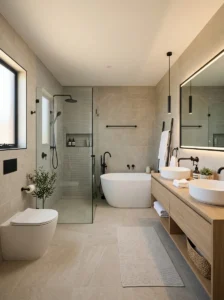
Bathroom tile prices vary dramatically, but expensive tiles do not always guarantee a better-looking bathroom. In many cases, smart design choices and thoughtful layouts matter more than luxury materials.
One of the best strategies is mixing affordable field tiles with smaller amounts of premium accent tiles. For example, you can use budget-friendly neutral porcelain for most walls while adding decorative tile inside the shower niche or behind the vanity.
This creates a high-end appearance without dramatically increasing renovation costs.
Porcelain tiles are often one of the best long-term investments because they are:
- Durable
- Water-resistant
- Easy to clean
- Widely available
- Timeless in appearance
Natural stone may feel luxurious, but it also requires more maintenance and sealing over time.
Beginners often underestimate installation costs as well. Intricate patterns, tiny mosaics, and handmade tiles usually increase labor costs significantly.
A beautiful bathroom isn’t necessarily the most expensive one — it’s the one where materials, layout, lighting, and functionality all work together cohesively.
Don’t Forget About Maintenance
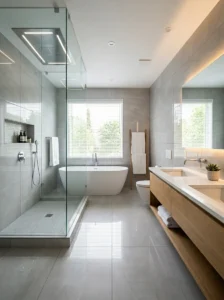
Some bathroom tiles require much more maintenance than others, which is something beginners often overlook during renovations. While certain materials may look beautiful initially, they can become frustrating if they stain easily or require constant upkeep.
Natural stone tiles typically need regular sealing to prevent moisture damage and staining. Glossy dark tiles may show water spots and soap residue more easily than matte neutral finishes.
Smaller mosaic tiles also require more grout, which means more cleaning over time.
If you want a lower-maintenance bathroom, porcelain tiles with matte finishes are usually one of the easiest options to live with long term.
Larger tiles with fewer grout lines also simplify maintenance while helping the room feel cleaner and more spacious.
Practicality matters just as much as aesthetics because bathrooms are high-moisture spaces used every single day.
The best tile choices are the ones that continue looking beautiful without creating unnecessary stress or maintenance problems later.
CONCLUSION
Choosing bathroom tiles becomes much easier once you understand how materials, colors, sizes, finishes, and layouts affect the overall look and functionality of the space.
The best bathrooms balance beauty with practicality, creating rooms that feel timeless, comfortable, and easy to maintain.
By focusing on quality materials, simple layouts, thoughtful color palettes, and realistic maintenance needs, you can confidently choose bathroom tiles that work beautifully for years to come.